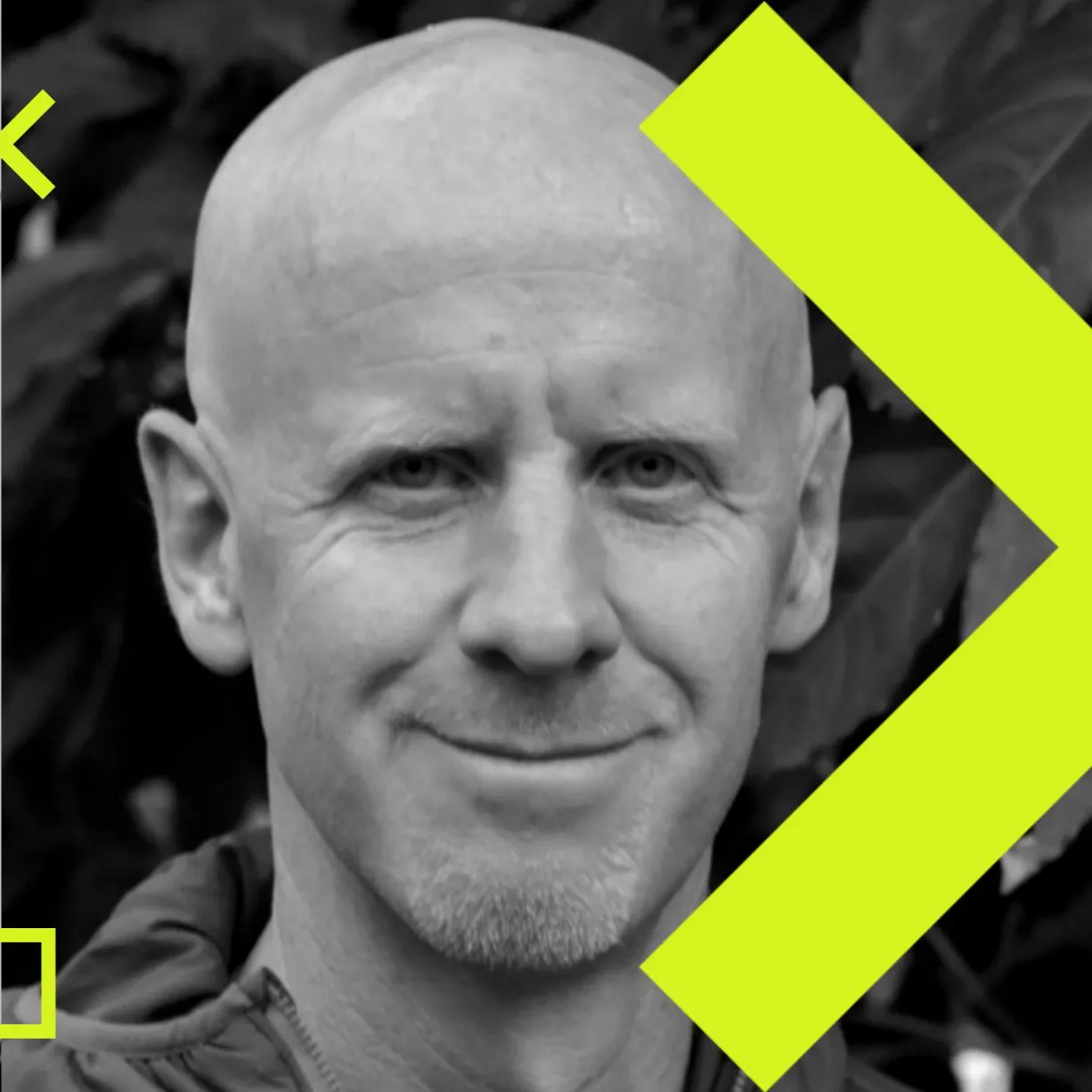
GoFundMe CEO Tim Kaduggan discusses how the platform has become a critical part of American culture, particularly as a backup for the broken healthcare system. He explains the company's for-profit model is aligned with its mission to maximize help through voluntary tipping, and how the platform navigates ethical dilemmas around moderation and growth.

Summarized by Podsumo
GoFundMe's biggest fundraising category is medical expenses in every country it operates, not just in the US, highlighting universal gaps in healthcare systems beyond just insurance coverage.
The company's revenue model relies on voluntary donor tips, with the CEO claiming the platform resists dark patterns and focuses purely on generating more help, not maximizing profit.
The Smart Fundraising Coach AI tool has doubled its projected impact, expected to help raise an additional $250 million this year by assisting users in creating and managing fundraisers.
GoFundMe deliberately avoids certain fundraising categories, such as legal defense for violent crimes, positioning itself as a values-driven platform even at the cost of potential revenue.
CEO directly acknowledges that government programs like Medicaid expansion reduce the number of medical fundraisers, stating the company does not lobby against such policies and actively directs users to alternative support services.
"Our objective is 100% aligned with what our customers are trying to achieve. We exist to help individuals and organizations mobilize more support for what they need. We don't do advertising, we don't sell data, we don't do any of those other things."
"We need to take a quick break. We'll be right back."