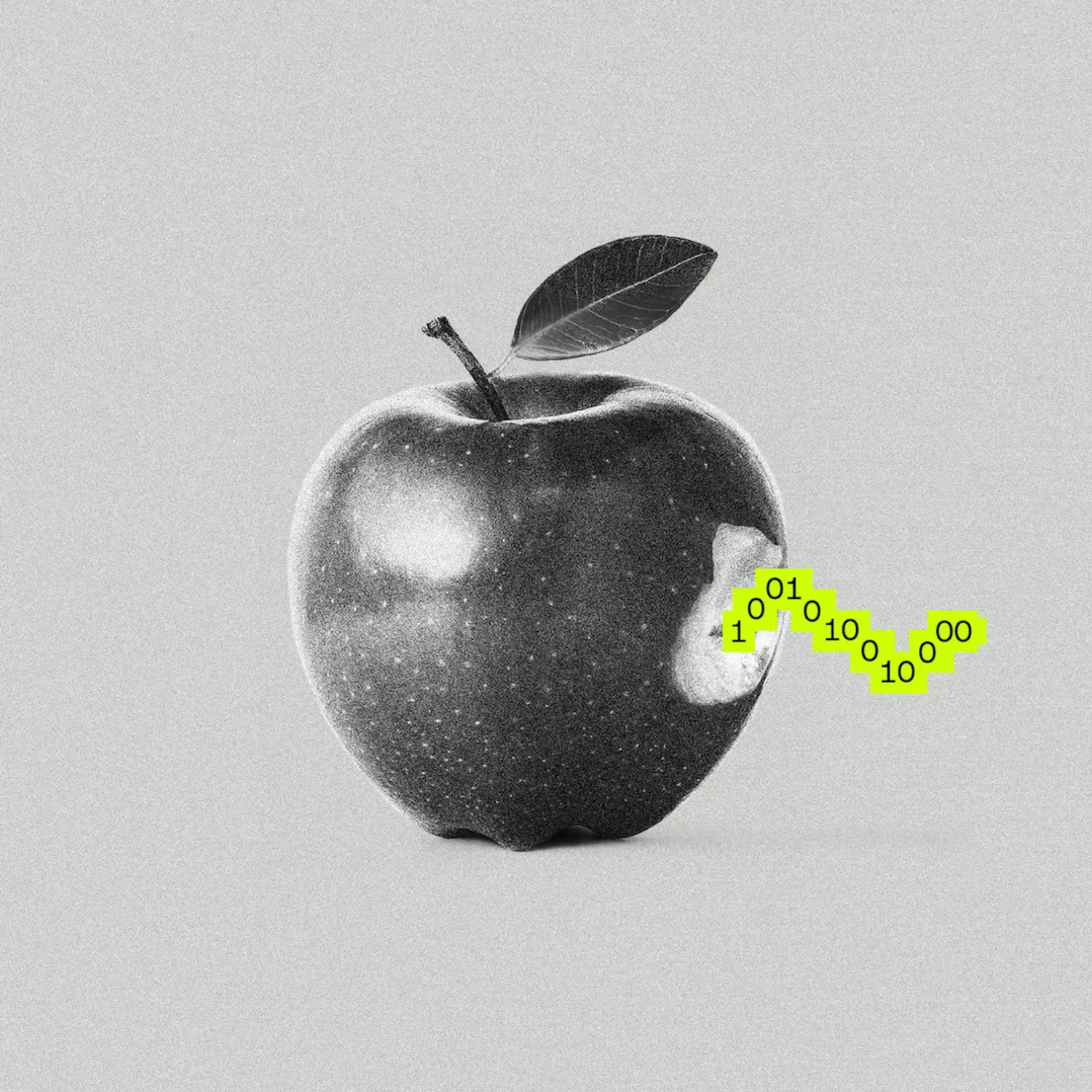
This episode of Decoder explores the existential crisis generative AI is causing in education, going beyond cheating to challenge the very purpose of teaching and learning. Host Nilay Patel and Dr. Adam Dubay discuss how AI, like ChatGPT, affects student learning, teacher workload, and school policies, revealing that the core issue is whether our education system values process or final products.

Summarized by Podsumo
Only about 10% of students use AI to cheat on entire assignments, but 80% use it to explain concepts, and 70% use it for generating ideas or summarizing texts, often without realizing the tools can hallucinate or hinder deep learning.
Teachers are divided: some see AI as a time-saving tool for lesson plans, while others find it adds more work (e.g., fixing AI-generated errors) and undermines their professional autonomy, creating a workplace and labor issue.
Dr. Dubay warns that AI can decrease memory retention and critical thinking because students passively consume answers instead of engaging in effortful practice, with studies showing reduced math scores linked to calculator use as a historical parallel.
"What are we even doing here? If this technology becomes more ubiquitous, we'll have courses created by AI, with submissions from students absolutely generated by AI."
— Evie May, instructional designer
"It's not that because you're young and you grew up around it... kids aren't predisposed to using iPads or AI any better or more competently than adults are. In fact, they might be worse at it."
— Dr. Adam Dubay
"The grade matters a lot more to them than to me... How do we convince students that the value in the class is learning how to do things when the thing we measure is the end product?"
— Brian S, technical communications professor