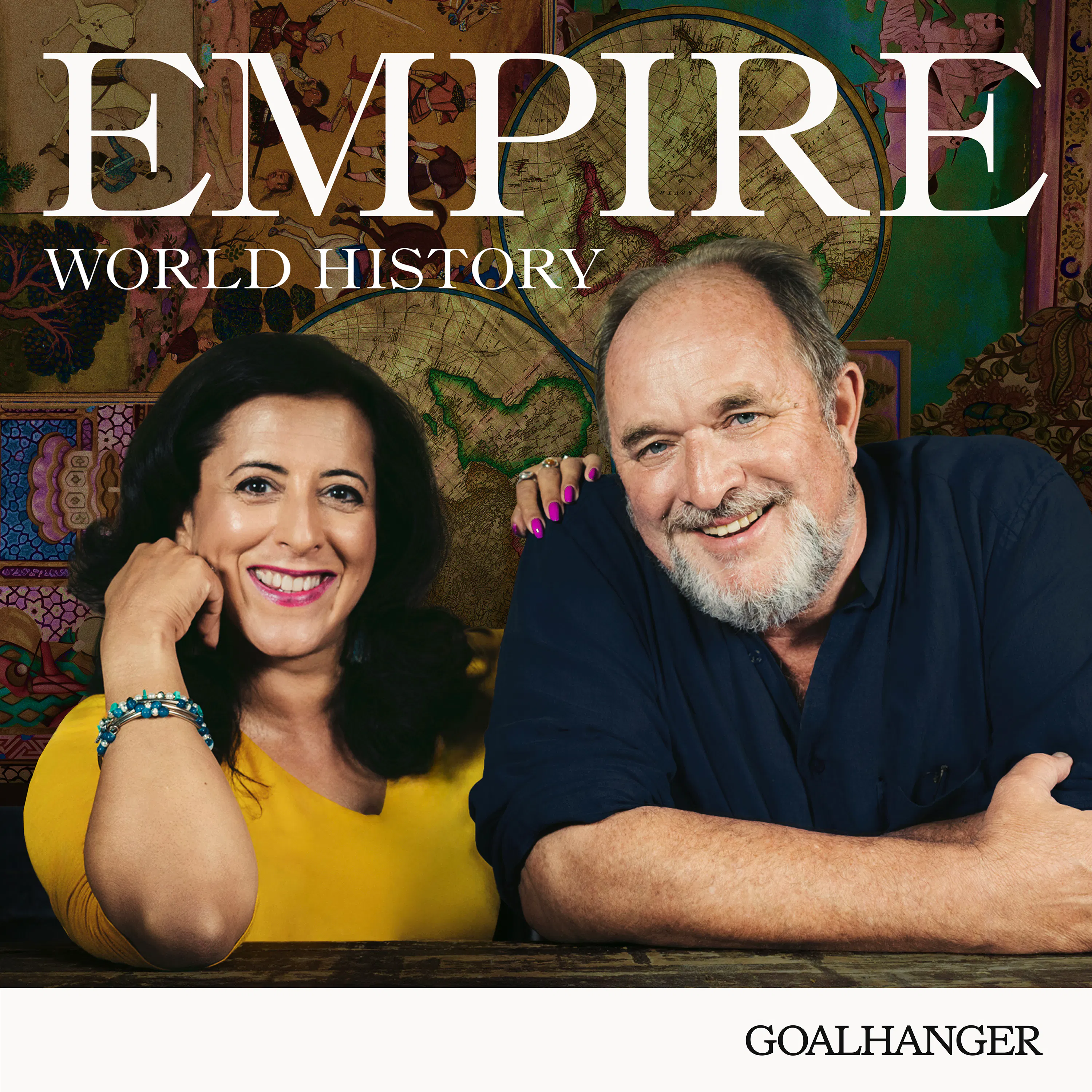
In this episode, Anita Arnand and Pulitzer Prize-winning historian Fredrik Logevall continue their series on JFK, exploring his entry into politics, his marriage to Jackie, his health struggles, his relationship with Nixon and McCarthy, and his rise to national prominence. The episode highlights the family dynamics, the 1952 Senate campaign, and the pivotal 1956 vice presidential bid that set the stage for his 1960 presidential run.

Summarized by Podsumo
JFK's political rise began with his 1946 congressional campaign in Massachusetts, where he won a landslide victory despite being seen as a carpetbagger, and he used a strategy of personal engagement that would define his career.
Kennedy's health issues were severe, including a near-fatal collapse in 1947 and a dangerous back surgery in 1954, which he survived, leading to a fatalistic outlook and a decision to write 'Profiles in Courage' during recovery.
The episode details JFK's marriage to Jacqueline Bouvier in 1953, a high-society wedding orchestrated by Joe Kennedy, and the early signs of his infidelity that would mark their relationship.
Kennedy's cautious approach to Senator Joseph McCarthy's anti-communist witch hunts, driven by political and family considerations, shaped his later interest in political courage and led to the writing of his Pulitzer Prize-winning book.
At the 1956 Democratic National Convention, Kennedy's near-win for the vice presidential nomination, followed by his gracious concession speech, made him a national star and effectively launched his presidential bid, setting up the 1960 election against Nixon.
"In a year or so they'll be saying I'm the worst son of a bitch that ever lived."
— John F. Kennedy
"I'd rather die than continue with the kind of pain that I have."
— John F. Kennedy
"Well, Dad, I guess there's only one question left. When do we start?"
— John F. Kennedy