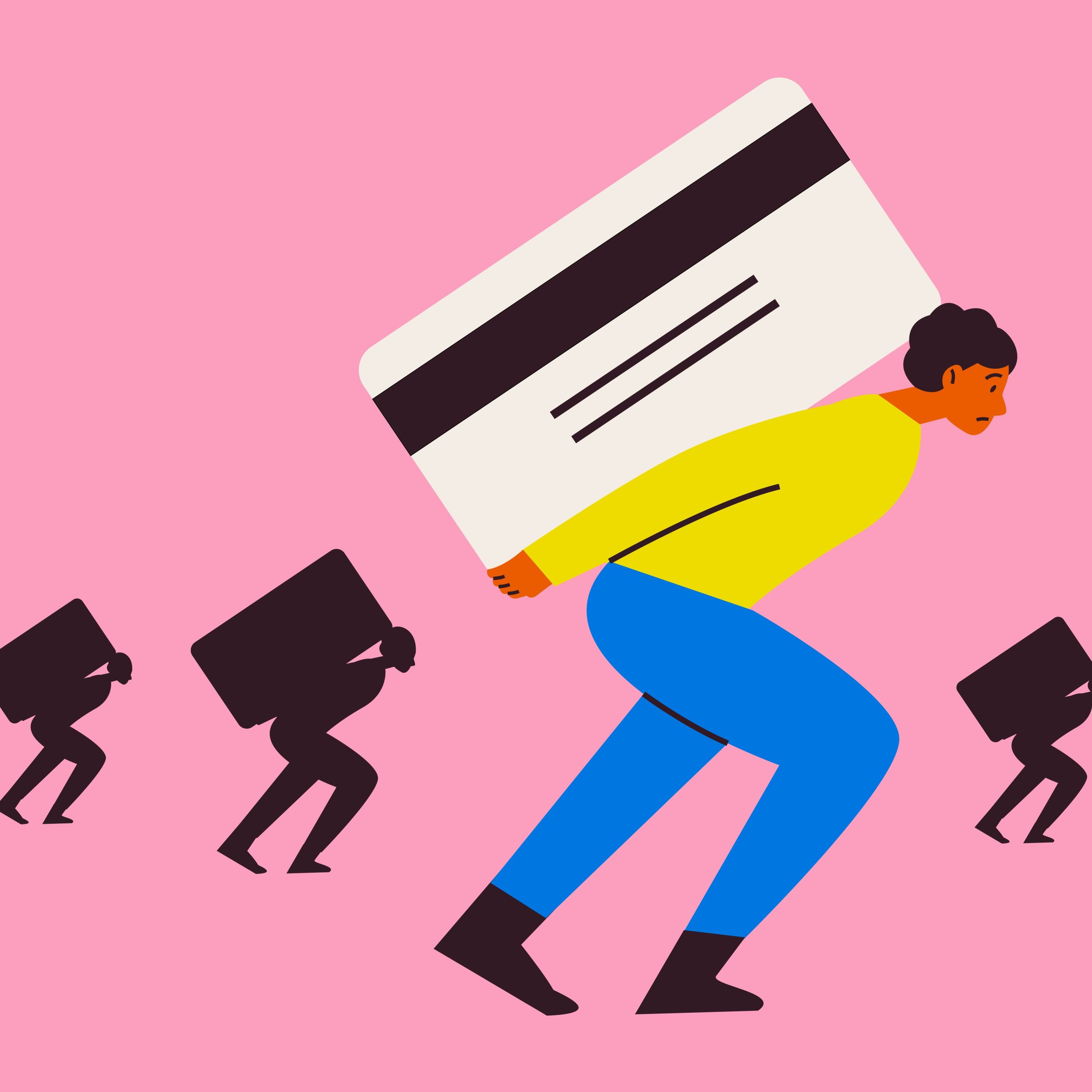
This episode of Hidden Brain explores the psychological traps that lead people into debt, even when they believe they are financially savvy. It delves into various cognitive biases and marketing tactics that influence our financial decisions, highlighting how debt can surprise individuals from all walks of life. The discussion also extends to the crucial role of doubt in making better choices, not just financially, but in all aspects of life.

Summarized by Podsumo
Financial decisions are heavily influenced by psychological biases like *optimism bias* (overestimating positive future outcomes) and *intratemporal discounting* (believing our future selves will be more financially capable), leading to poor choices like taking on excessive student loans or 'buy now, pay later' schemes.
Marketers exploit our inherent biases, such as *loss aversion* (hating to lose more than loving to win, leading to unnecessary extended warranties) and our desire for *simplicity* (partition pricing, 0% introductory rates) to obscure the true cost of debt.
The *endowment effect* causes us to overvalue what we own, making it difficult to part with assets even when they are a financial drain, but this bias can be leveraged for good through *automated savings* for retirement or other goals.
Status-branded credit cards (e.g., 'Platinum' cards) are a *genius marketing move* that exploit our desire for social status, particularly among those who feel a lack of it, leading to increased spending and debt.
Doubt, often perceived negatively, is presented as a powerful tool for better decision-making; embracing it can foster *curiosity*, prevent premature conclusions, and lead to more robust solutions, especially in complex or emotionally charged situations.
"It's easy to believe this would never happen to me. I would be smarter, saviour, better at saving. And yet hundreds of millions of people around the world find themselves enmeshed in debt."
— Shankar Vedantam
"We all tend to think that our ship's going to come in, that we're going to get our big break, or we're going to get the promotion. We don't really ever think about that life is full of surprises, both good and bad."
— John Dinsmore
"I love this idea of becoming friends with doubt. You know, when I sit down with my friends, I don't always have to agree with them. But being a good friend means I do have to listen to them to be open to what they're telling me."
— Shankar Vedantam