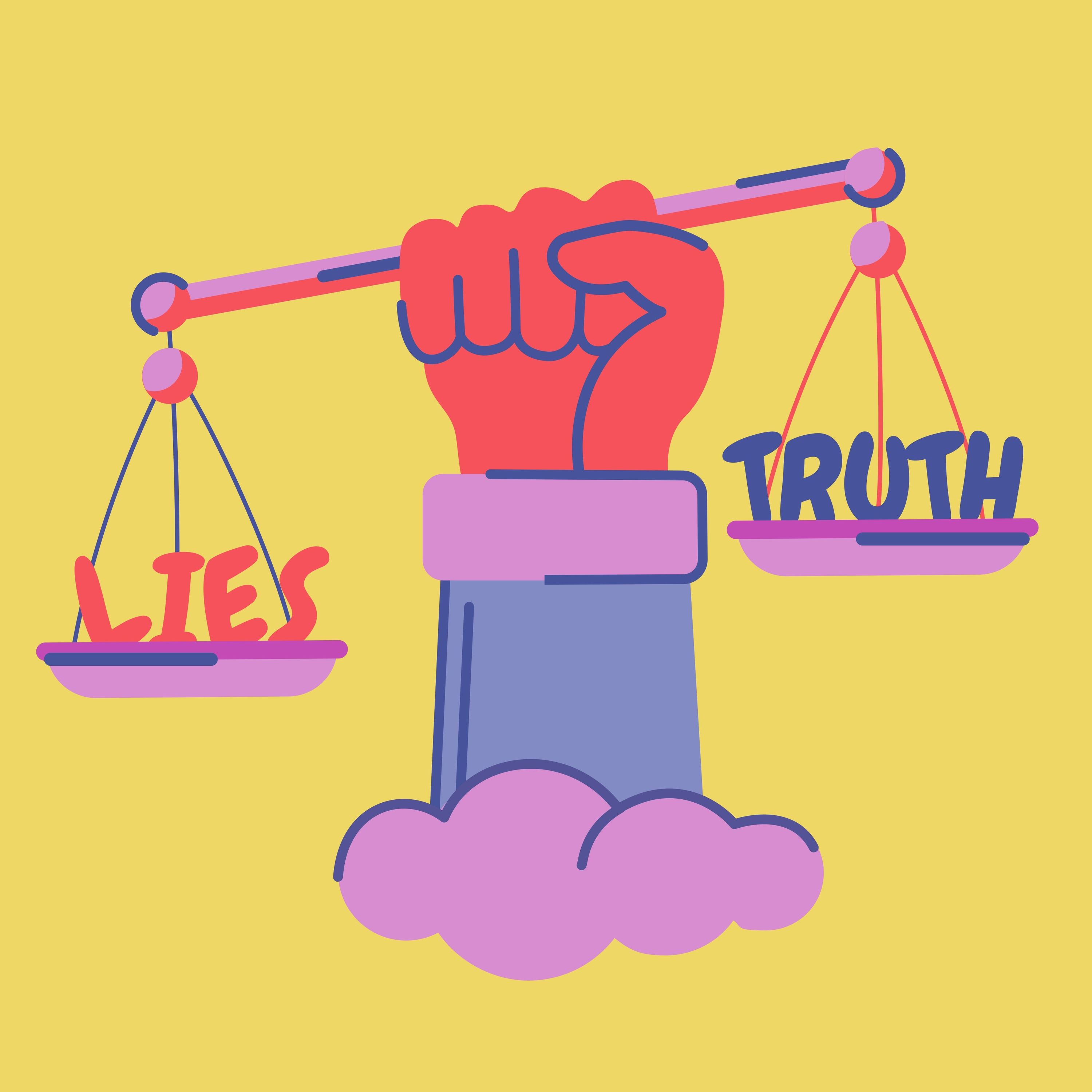
This Hidden Brain episode explores the complex psychology of truth-telling and deception, challenging the conventional wisdom that one should always tell the truth. Psychologist Emma Levine discusses how society often operates under an unspoken code where 'good lies' can be acts of love, and 'bad truths' cause unnecessary harm, examining the nuanced contexts in which deception is not only acceptable but sometimes preferable. The discussion highlights how factors like vulnerability, triviality of information, and cultural norms influence the moral acceptance of lies.

Summarized by Podsumo
The podcast introduces the paradox of honesty through the George Washington cherry tree myth, which was a lie invented to teach the importance of truth, setting the stage for exploring 'good lies' and 'bad truths'.
Lies are often deemed acceptable in specific contexts, such as when the target is vulnerable (e.g., elderly with dementia, a friend studying for an exam, a spouse near death) or when the information is trivial, subjective, or cannot lead to positive change.
Cultural differences significantly impact truth-telling norms, particularly in end-of-life situations, where some cultures prioritize hope and protection (e.g., 'The Farewell' movie in China) over direct disclosure, contrasting with Western emphasis on autonomy.
Prosocial lies, told with benevolent intentions, can increase 'benevolence-based trust' (belief that someone cares) but simultaneously decrease 'integrity-based trust' (belief in factual accuracy), creating a complex dynamic in relationships.
A key danger of accepting 'good lies' is the risk of self-deception, where individuals might rationalize selfish lies as benevolent, leading to unintended harm and erosion of trust, as illustrated by personal examples from the host and guest.
"Bad truths are truths that cause unnecessary harm. So they might cause emotional pain and suffering and not lead to learning and growth and understanding."
"It increases one type of trust, benevolence based trust, while still undermining integrity based trust."
"Instead of saying don't tell lies is what we really mean to say don't tell selfish lies?"