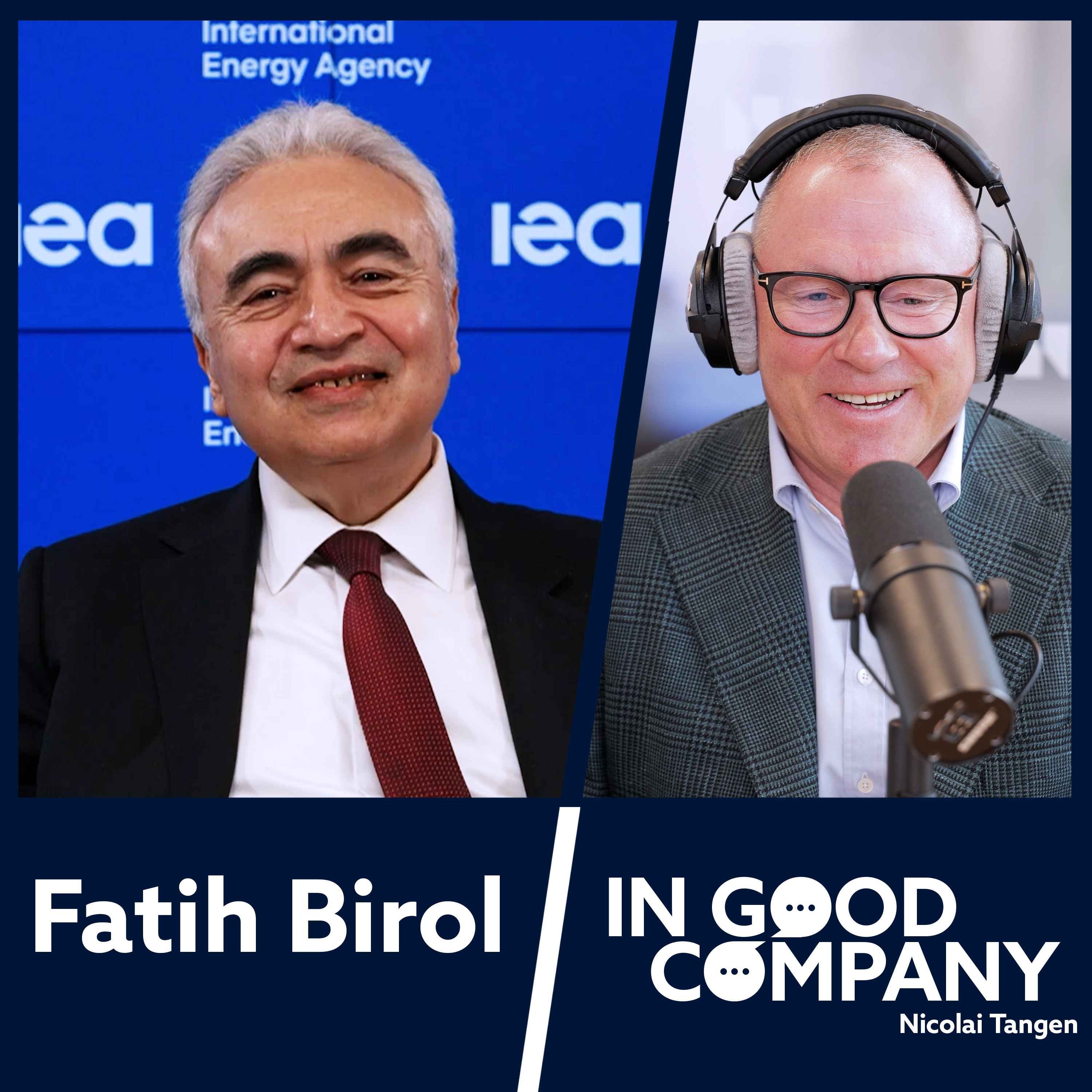
Dr. Fatih Birol, Executive Director of the IEA, discusses the current global energy crisis, which he deems the greatest in history, exacerbated by Middle East tensions. He highlights Europe's strategic energy mistakes, the accelerating "age of electricity" driven by AI and EVs, and the critical need for resilient grids. Birol also outlines future energy trends and the implications of high energy prices for Europe's industrial competitiveness.

Summarized by Podsumo
Unprecedented Energy Crisis: The current crisis, driven by Middle East tensions, is described as the "greatest global energy security threat in history," surpassing the combined impact of the 1973, 1979, and 2022 crises, with 12 million barrels per day of oil lost.
Europe's Strategic Blunders: Europe made three historical mistakes: over-reliance on Russian gas, abandoning nuclear power, and dropping the ball on solar panel manufacturing, which now impacts its economic security and competitiveness.
The Age of Electricity: Electricity demand is growing twice as fast as total energy demand, fueled by AI, data centers, and electric vehicles. However, the lack of grid capacity and cybersecurity threats are major systemic risks.
Future Energy Landscape: Expect a stronger comeback for nuclear power (traditional and SMRs), accelerated electrification of transportation, faster growth in renewables with batteries, and a potential temporary push for coal in some regions.
AI's Energy Dependency: The race for Artificial Intelligence will be determined by both technological prowess and the availability and price of electricity, as data centers consume massive amounts of power.
"The cure is opening up the state of Hormuz. This is the single most important issue. We are just helping to reduce the pain and getting some time, maybe in other words, if I may say so."
"What I am afraid in Europe is that the high energy prices may give a fertile grant for extreme political thinking to abuse just before some of the important elections going to happen in Europe."
"The difficult part is now we are not coping with the word, not only Europe, as the word is building roots. This is the Achilles heel of the age of electricity in my view."