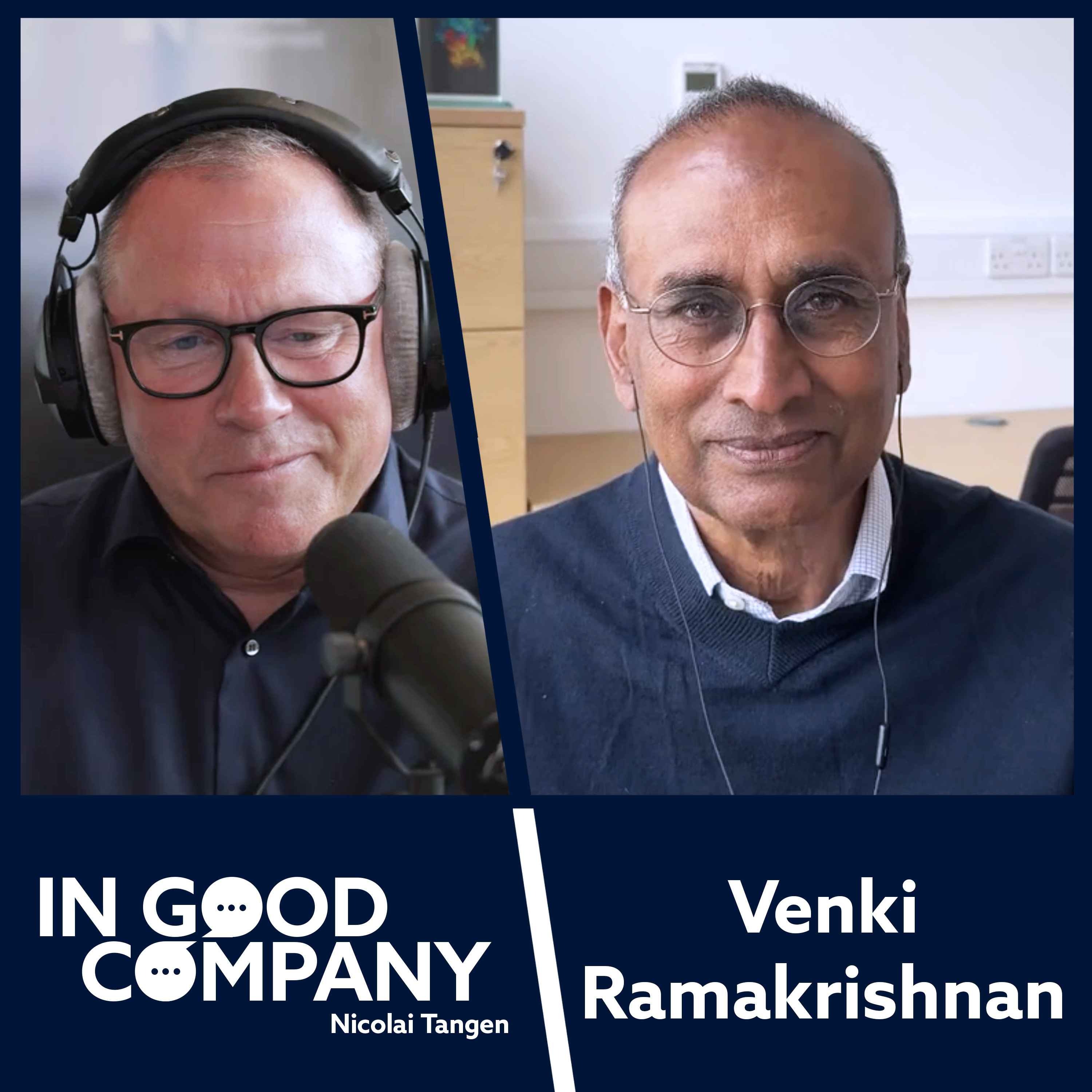
Nobel laureate Venki Ramakrishnan discusses the science and hype of longevity, emphasizing that while average life expectancy has increased, maximum lifespan has not budged due to the complexity of aging. He critiques tech billionaires who fund longevity research, warns of societal inequalities from extended lifespans, and highlights caloric restriction, exercise, and sleep as the most evidence-based ways to prolong healthspan.

Summarized by Podsumo
Maximum human lifespan remains ~120 years despite increased average life expectancy; aging is a multifactorial process of accumulated molecular damage.
Cellular reprogramming (e.g., Yamanaka factors) is a promising but experimental approach; it has worked in mice but faces safety and efficacy hurdles in humans.
Tech billionaires (e.g., Bezos, Musk) fuel hype around longevity, often treating aging like a software problem; Ramakrishnan warns this ignores biological complexity.
Evidence-backed strategies for healthy aging include caloric restriction, regular exercise, and adequate sleep; cold plunges and saunas lack robust scientific support.
Extended lifespans could exacerbate inequality and social stagnation, as wealth and power concentrate among the old.
"I think there's no physical or chemical law saying that our lifespan has to be what it is today... but long life extension—hundreds of years—is highly unrealistic today."
"These people don't want to die... They think, 'We solved the problem of payment transactions, so we should be able to solve death.'"
"Everything is not about living longer. It's about enjoying life while you have it."