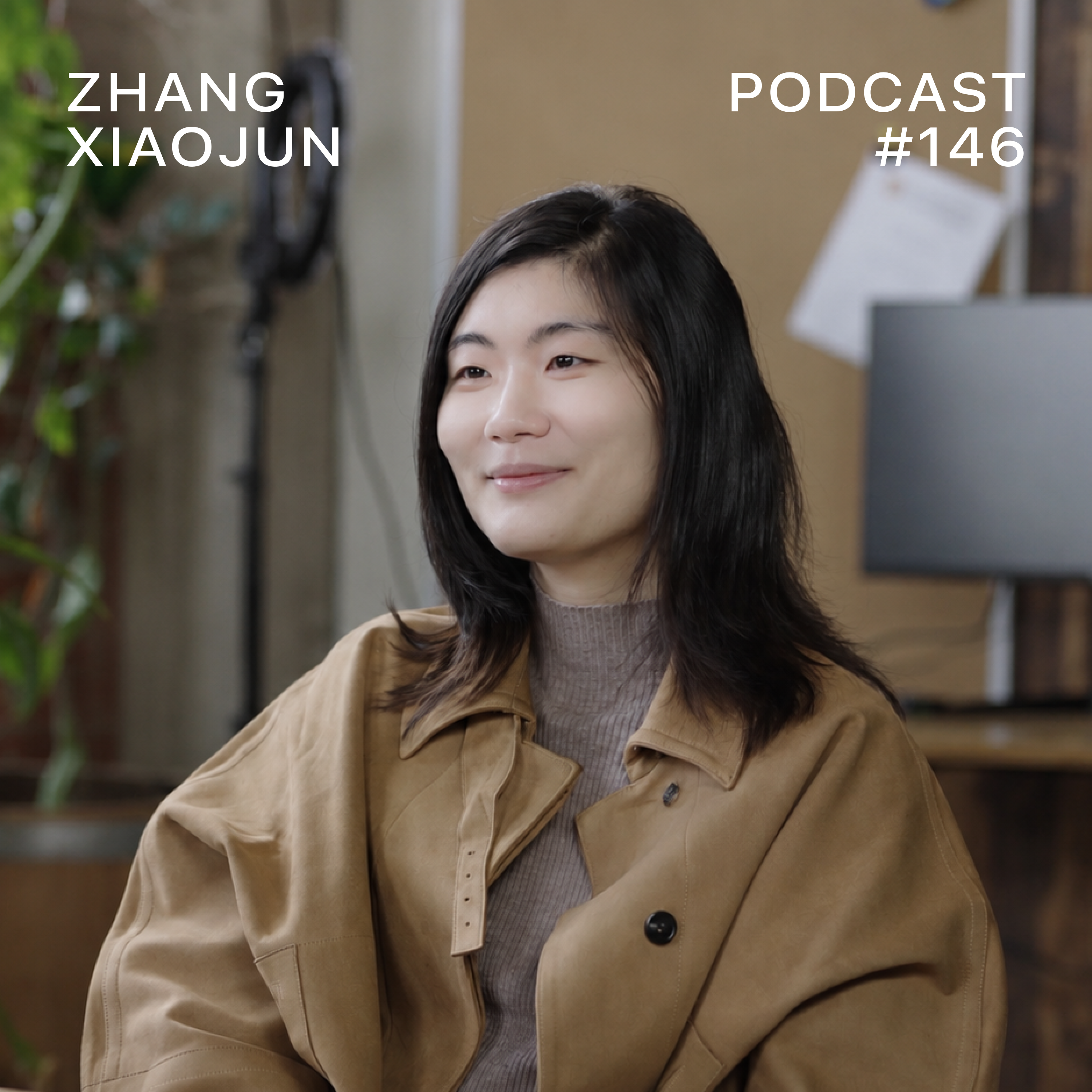
In this 4-hour interview, K, a researcher at Physical Intelligence (Pi), discusses the company's open-source research on robot brains, the landscape of robotics clans and key players, and the evolution from traditional methods to machine learning approaches. The conversation covers Pi's model progression (Pi0, Pi0.5, Pi0.6☆), the challenges of data collection, reinforcement learning, and the philosophical implications of robotics on human relationships and productivity.

Summarized by Podsumo
Pi's philosophy focuses on building a universal robot brain that can work across multiple hardware forms, not just humanoids, contrary to many competitors.
The company's research progress is marked by three key models: Pi0 (capability), Pi0.5 (generalization), and Pi0.6☆ (performance improvement).
K emphasizes the importance of 'experience data' from robots themselves, not just human-teleoperated data, for scaling performance.
The robotics field is divided between traditional control/planning methods and modern machine learning approaches, with a growing consensus around learning-based methods.
K argues that for a general-purpose robot brain, task performance matters more than the specific hardware form, enabling simpler robot designs to achieve complex tasks.
"The essence of dexterity is not in the hand itself, but in the brain."
— K, referencing CMU researcher Matt Mason
"If we can solve pick-and-place, we can eliminate 90% of household chores."
— K
"Robots assembling themselves would be a milestone—it's a form of reproduction, a sign of a continuous species."
— K