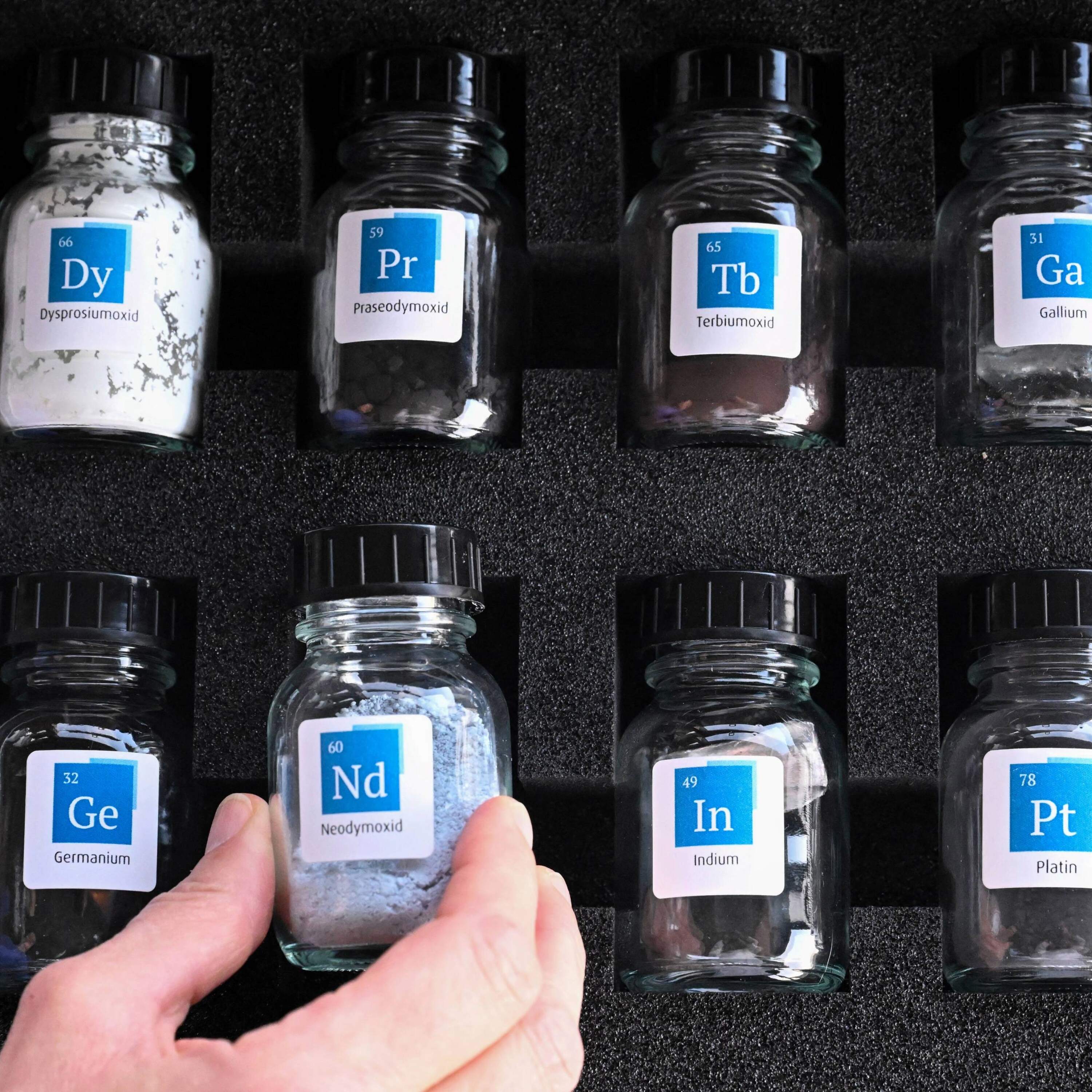
This Planet Money episode details how the U.S. lost its rare earths monopoly to China, tracing the journey from the discovery at Mountain Pass in 1949 to China's current dominance. It explains China's strategic industrial policies that enabled its rise and the U.S.'s recent, state-driven efforts to rebuild its domestic rare earths industry, mirroring China's past approach.

Summarized by Podsumo
Molly Corp, a U.S. company, once held a global monopoly on rare earths, but in the 1960s, it inadvertently shared its mining and refining expertise with visiting Chinese officials, underestimating their future economic threat.
China systematically built its rare earths industry through a 'supercharged industrial policy,' including cheap government financing, fostering internal competition, investing in scientific expertise, and implementing policies that forced refining and supply chains within its borders.
The 2010 'fishing boat incident,' where China informally banned rare earth exports to Japan, served as a global wake-up call, exposing the world's critical dependence and China's significant leverage over the global economy.
When Molly Corp attempted to revive U.S. production (Project Phoenix) after the 2010 crisis, China strategically flooded the global market with rare earths, crashing prices and making the U.S. venture economically unviable, leading to Molly Corp's demise.
After another Chinese export limitation in 2019, the U.S. government is now investing billions in domestic rare earths companies, offering grants, loans, and even taking stakes, adopting a state-driven strategy remarkably similar to China's past approach.
"βFor a period of time, every single color television that was made in the world had Europium from the Mountain Pass deposit used to make that red color.β"
"βChina, is able to mine and process rare earths as well as the United States and at a cheaper price.β"
"βI don't think there's anybody in the rare earth world that would suggest something other than what I just suggested.β"