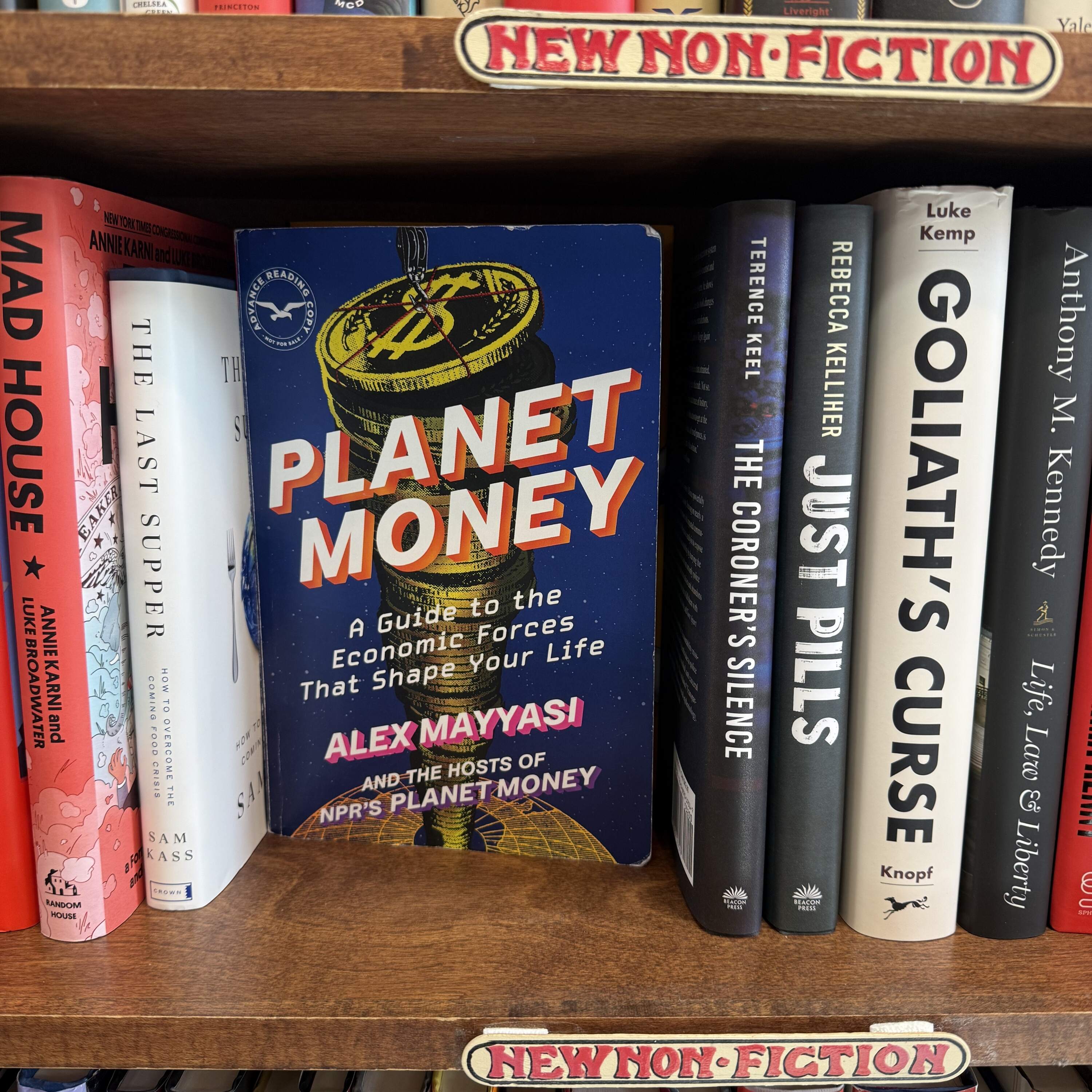
This episode delves into the intricate economics of the book industry, focusing on the critical role of book buyers like Fisher Nash at independent bookstores. It reveals their complex decision-making process, from navigating space scarcity and publisher catalogs to leveraging sales data and author influence, all while balancing the risks of over-ordering versus under-ordering. The podcast also explores the broader publishing ecosystem, including print run strategies, returns management (remainders and pulping), and widespread distribution efforts by publishers to launch a book successfully.

Summarized by Podsumo
Book buyers are the final gatekeepers: Independent bookstore buyers like Fisher Nash scrutinize thousands of titles in 30 seconds or less to decide what makes it onto shelves, balancing profitability and customer connection for limited space.
Publishing's unique return policy: Unlike most retail, 95% of books are returnable, meaning publishers, not bookstores, bear the risk of unsold inventory. This influences print run decisions and leads to practices like selling remainders or pulping unsold books.
Strategic placement and promotion are key: A book's shelf location (e.g., display table vs. back corner) and publisher-driven publicity campaigns are crucial for visibility. Factors like an author's social media following, local connections, and previous sales track record heavily impact ordering decisions.
Massive distribution efforts: Major publishers like Norton aim for "everything" in terms of distribution, mobilizing vast sales forces to get books into independent stores, airport shops, cruise ships, and international markets to ensure the widest possible reach and long-term success.
"I'm kind of the last person before it gets to the store. So I am the last gatekeeper because I decide whether we're even going to have it in the store or not."
"My job is to make sure that the first print is both aspirational. I want to have more books than I think I can sell in all cases, but I also have to sell everything I make."
"Something that took years and put in that machine and then, you know, like a wood chipper in 15 seconds, there's just no sign of anything at all that remains. And it's soul crushing."