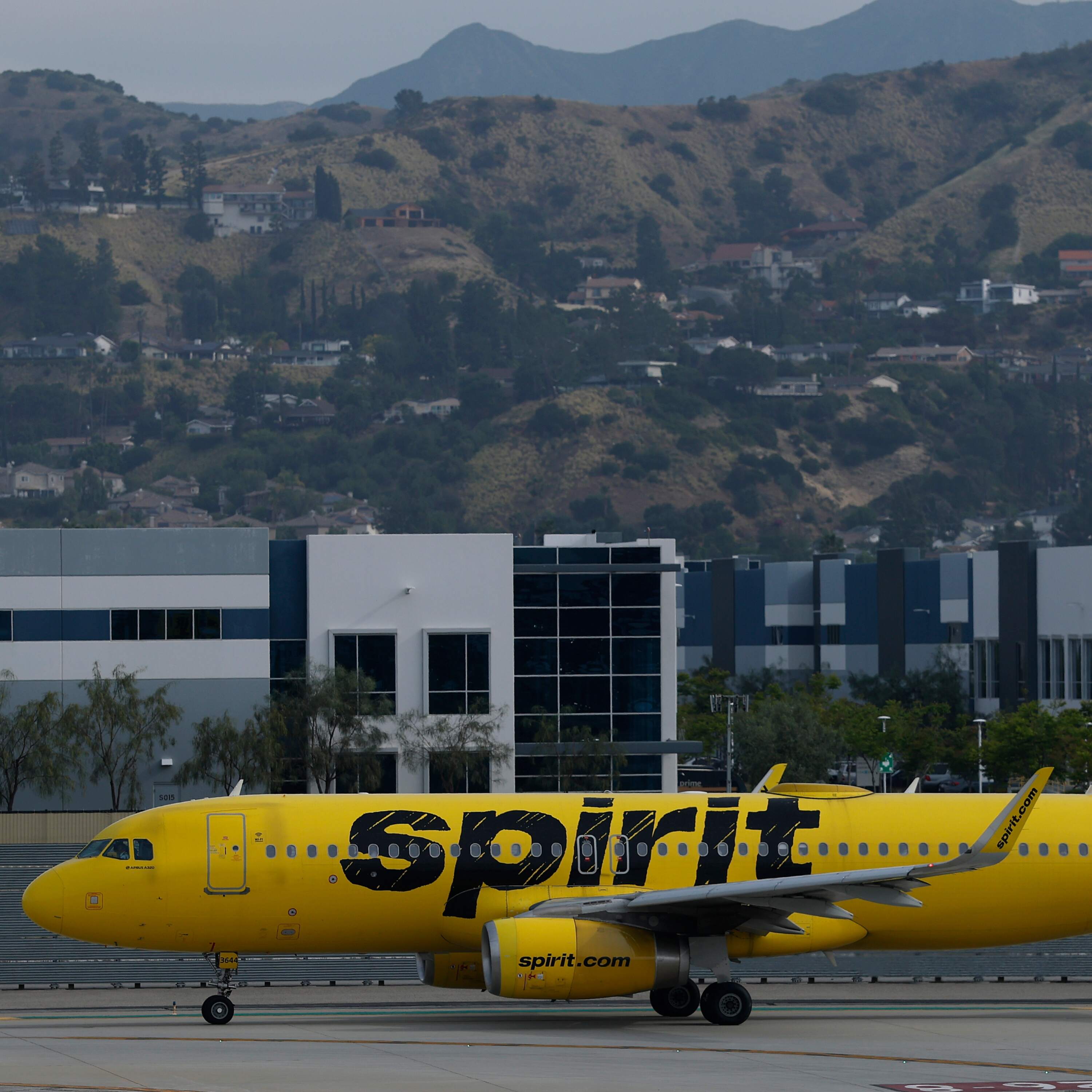
Spirit Airlines, once the fastest-growing ultra-low-cost carrier known for its "Dollar General" approach to air travel, is now facing potential liquidation. This episode explores how its radical unbundling strategy initially attracted budget travelers, despite widespread customer dissatisfaction. However, legacy airlines eventually adopted similar low-fare models and leveraged their loyalty programs, while rising costs and a struggling budget consumer base ultimately challenged Spirit's viability.

Summarized by Podsumo
Spirit's "Dollar General" model: Pioneered ultra-low base fares by unbundling all services, charging for bags, seat selection, and even water, to attract price-sensitive customers.
Consumer paradox: Despite being consistently ranked as one of the worst airlines, Spirit's flights were full, demonstrating a strong "revealed preference" for extreme affordability over comfort.
Legacy airline counter-strategy: Major carriers like Delta and United introduced "Basic Economy" fares and enhanced loyalty programs, effectively competing with Spirit on price and leveraging their network scale.
Economic headwinds: Increased operating costs (fuel, labor) and reduced spending by its core low-to-middle-income customer base severely impacted Spirit and other budget airlines.
Potential government intervention: Spirit's current financial distress has led to discussions of a government bailout or acquisition, underscoring its role in maintaining competitive airfares across the industry.
"Spirit Airlines is a subway car in the sky."
"We're not even Walmart. We're Dollar General."
— Ben Baldanza
"I guarantee you they'll be back. Why are our flights all full? Because those people come back."
— Barbara Dingus (Flight Attendant)