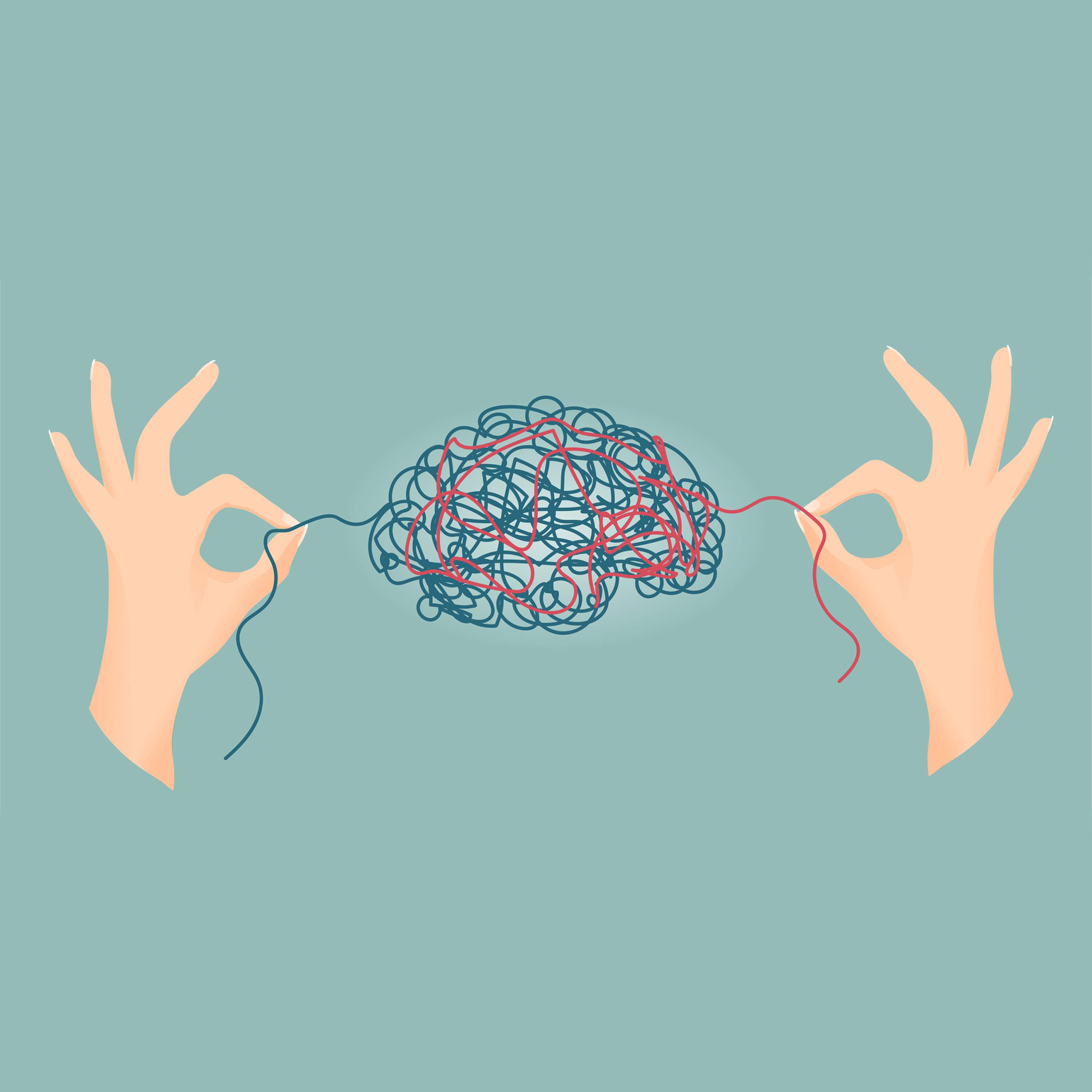
Neuroscientist Ethan Cross discusses managing emotions, comparing our brains to a Stradivarius violin that can produce beauty or pain depending on how it's 'played.' He emphasizes that emotional regulation is a malleable skill, and all emotions, even negative ones, are useful when experienced in the right proportions. The episode explores various science-backed tools like distanced self-talk, leveraging our senses, and constructive conversations, highlighting that a personalized 'toolbox' approach is key, as there's no one-size-fits-all solution.

Summarized by Podsumo
Emotional regulation is a malleable skill: Research shows that our ability to manage emotions can improve over time, regardless of age, making it possible for anyone to learn and get better.
All emotions are useful: Negative emotions like anxiety, anger, or sadness are not inherently toxic but serve a purpose when experienced in appropriate proportions, acting as 'friends' rather than foes.
Powerful, low-effort tools exist: Strategies like distanced self-talk (using your name or 'you') and strategically engaging senses (music, awe) can quickly shift emotional states.
No one-size-fits-all solution for emotional management: People use multiple tools, and effective combinations vary greatly, emphasizing self-experimentation to build a personalized emotional 'toolbox.'
Constructive conversations are key: Beyond just venting, truly helpful discussions involve both emotional expression and validation, followed by perspective-broadening and problem-solving to achieve closure.
"Our brain is like our very own Stradivarius. When our emotions are triggered, out of proportions, that's a kin to me trying to play a Stradivarius violin. It can cause enormous pain for both the player as well as those around us."
— Ethan Cross
"I am of the belief that all of the emotions we experience are useful when they're experiencing the right proportions. I have found that when people hear that, when they realize that if they're experiencing anxiety or anger or sadness or envy or regret or guilt, that there's nothing wrong with them. In fact, that this is how they should be operating to a large degree. This is something that people really find liberating."
— Ethan Cross
"We human beings are much, much better at giving advice to other people than we are taking our own advice."
— Ethan Cross