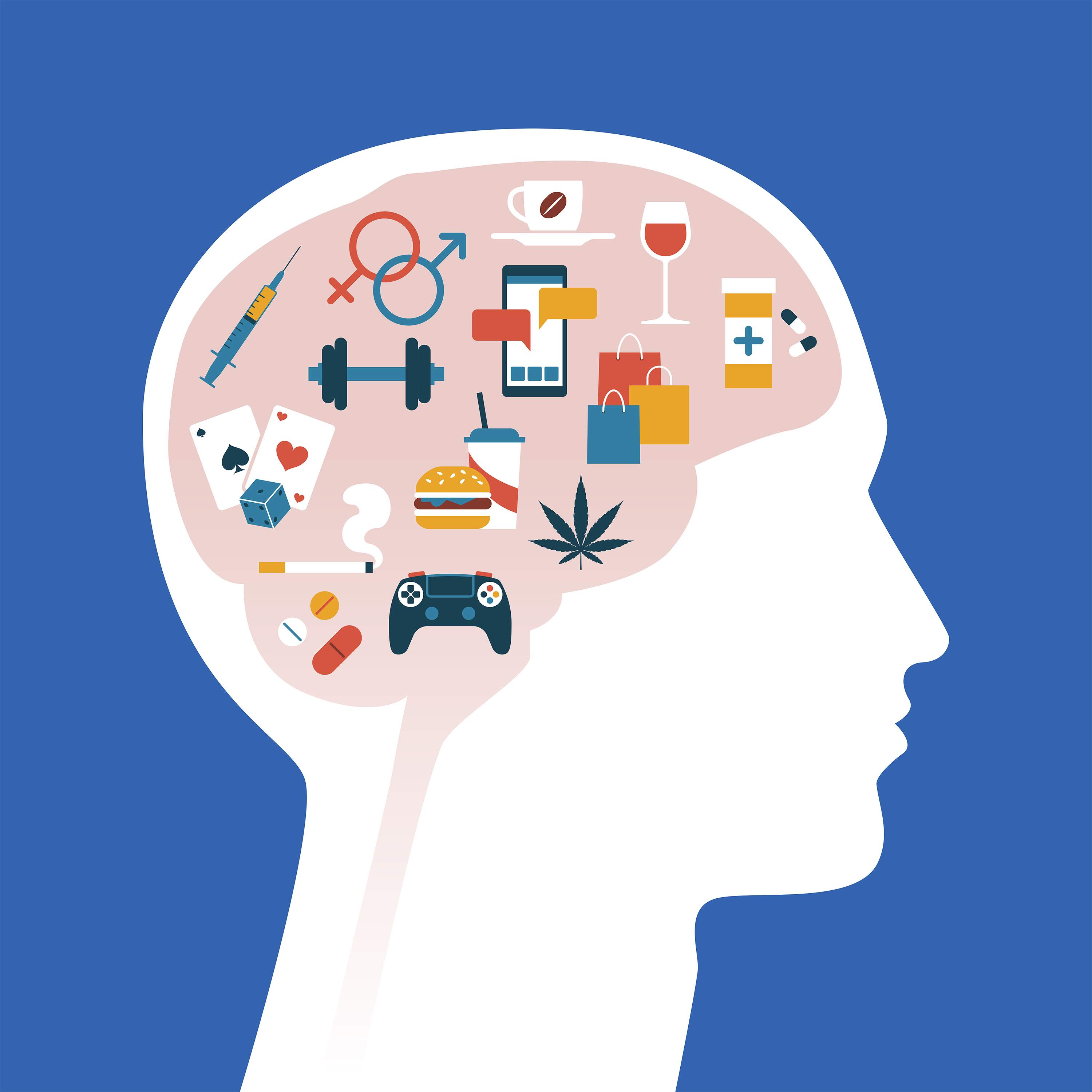
This episode of TED Radio Hour explores how GLP-1 drugs like Ozempic are being repurposed to treat addiction by reducing cravings for alcohol and other substances. While these "moderation molecules" offer promise, experts caution against viewing them as a silver bullet, emphasizing the need for comprehensive approaches that include psychological support and community.

Summarized by Podsumo
GLP-1 drugs like Ozempic reduce cravings not only for food but also for alcohol, opioids, and other addictive substances by modulating the brain's reward system.
Nearly one in six Americans aged 12 or older has a substance use disorder, and the FDA hasn't approved a new medication for alcohol use disorder in over 20 years.
Experts warn that GLP-1s aren't a cure-all; addiction treatment still requires addressing trauma, psychological factors, and social support for long-term recovery.
"It's also possible that some people experience psychological side effects... people feel kind of a blunted mood or even anhedonia. They're not interested in doing the things that they used to do. — Dr. Dreve Coulard"
"Addiction is sort of a multifactorial thing. There's so many things that cause it. There's so many elements in it that you can't narrow it down and go, well, if we just solve that, then you've solved the addiction. — Eric Zimmer"
"The dumbest thing we can be is know-it-alls. — Naema Raza"