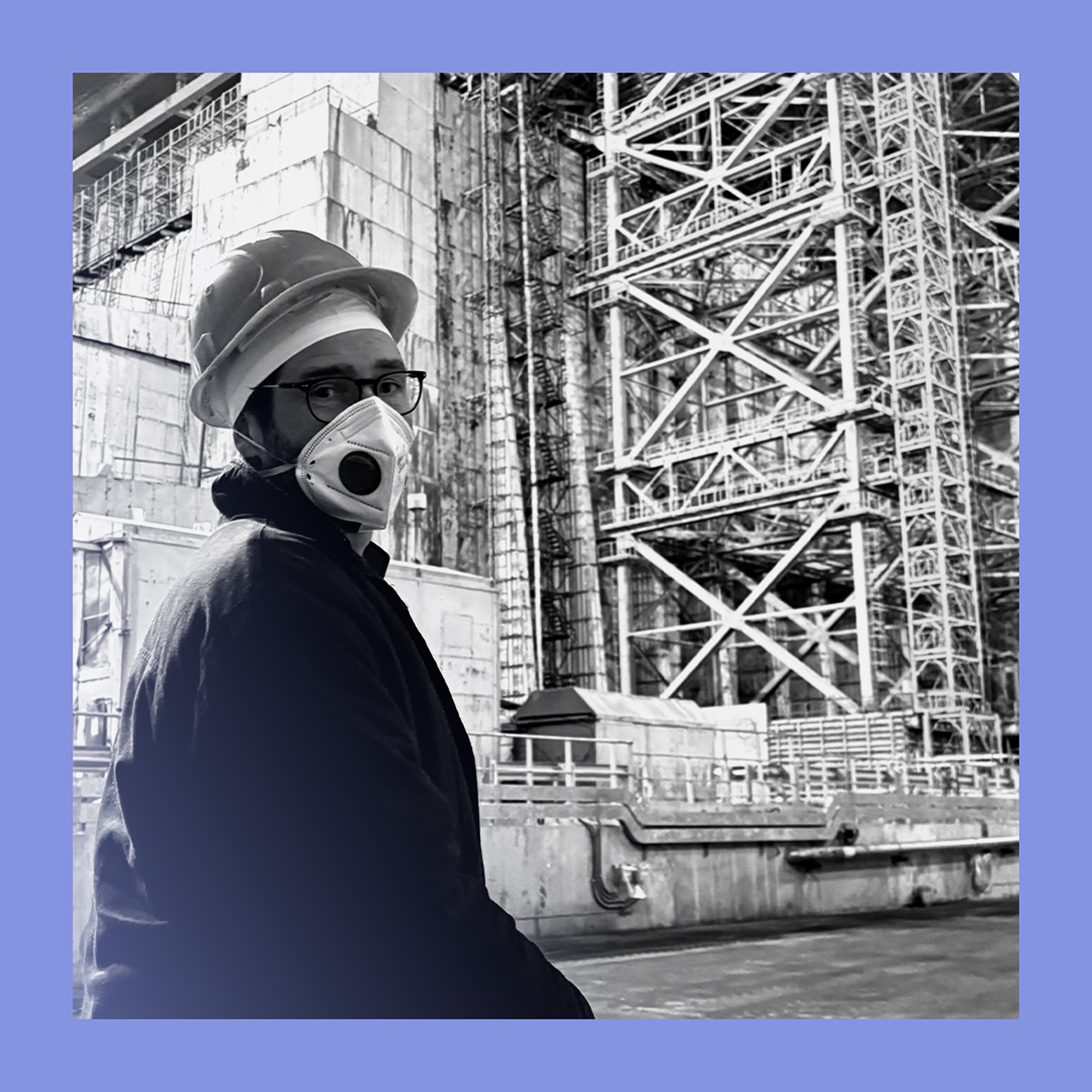
This episode revisits the Chernobyl nuclear disaster 40 years later, exploring its devastating impact, the lessons learned, and its ongoing relevance. It highlights how Soviet secrecy and political culture contributed to the catastrophe, the profound human and environmental costs, and the surprising rewilding of the exclusion zone. The discussion also draws parallels to the 2022 Russian occupation of Ukrainian nuclear plants, suggesting that crucial political lessons from Chernobyl remain unlearned.

Summarized by Podsumo
Flawed RBMK Reactor Design & Soviet Secrecy: The Chernobyl RBMK reactor, a dual-purpose design for power and plutonium, had inherent flaws kept secret even from operators, a major factor in the disaster.
Human Cost & Government Cover-up: The accident led to the evacuation of 200,000 people and an estimated 15,000 deaths, with the Soviet government actively downplaying the severity and misattributing casualties.
Chernobyl as a Catalyst for International Nuclear Safety: The disaster forced the Soviet Union to engage with international bodies like the IAEA, leading to modernization of reactors and a global understanding that nuclear incidents are international problems.
Rewilding of the Exclusion Zone: Despite high radiation, the Chernobyl exclusion zone has become a unique "unnatural experiment," witnessing a dramatic recovery and rewilding of ecosystems, including horses, wolves, and lynx.
Unlearned Political Lessons in Modern Conflicts: The 2022 Russian occupation of Chernobyl and Zaporizhzhia nuclear plants demonstrates a continued disregard for nuclear safety and a failure to learn from the political and cultural lessons of 1986.
"The rottenness of Soviet management and the damage the regime's secrecy could do, that was the first lesson of Chernobyl."
— Seri Plohi
"It's very clear that the radiation has caused some genetic evolution in the fungi, in the nematodes, in the plants, in the bacteria."
— Jim Smith
"My position is, we have no business to have a reactor before we have a plan for the reactor, and we always need a political will to do so."
— Seri Plohi