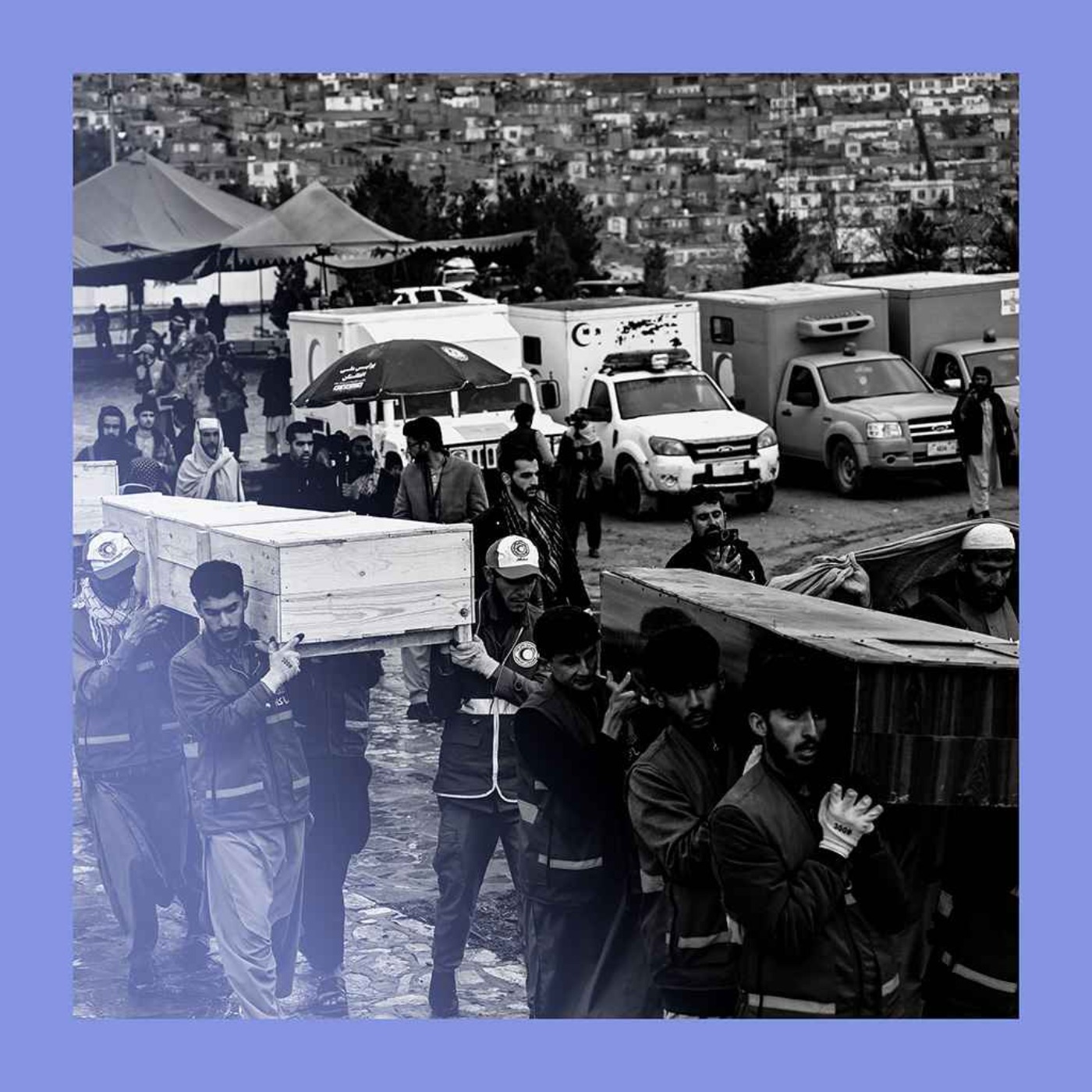
This episode of The Intelligence from The Economist covers two main topics: the escalating cross-border conflict between Afghanistan and Pakistan, driven by Pakistan's accusations against the Afghan Taliban for harboring the TTP; and the broader economic implications of energy price shocks, which are fueling global inflation and presenting significant challenges for central banks. It also briefly touches on the growing trend of music listening parties as a marketing tool.

Summarized by Podsumo
Afghanistan-Pakistan Conflict: Pakistan is conducting military strikes in Afghanistan, accusing the Afghan Taliban of sheltering the TTP, which is responsible for a surge in terrorist attacks in Pakistan.
Humanitarian Crisis: The conflict has led to a significant increase in Afghan refugees, with over 2 million since 2023 and 80,000 recently crossing the border.
Inflation from Energy Shocks: Rising oil prices, specifically a 50% increase since the start of the 'Iran war' mentioned in the transcript, are a primary driver of global inflation, with the IMF estimating 0.4% additional inflation for every 10% oil price rise.
Central Bank Dilemma: Central banks struggle to control inflation caused by supply shocks, facing the choice between raising interest rates aggressively (risking recession) or too slowly (allowing inflation to persist).
Music Listening Parties: Artists are increasingly using listening parties as a marketing strategy to boost album sales (especially physical copies for chart positions) and connect with fans in the streaming era.
"Pakistan accuses Afghanistan of a group, the Pakistan-e-Taliban, known as the TTP, which it says is behind a big rise in terrorist attacks in Pakistan."
"The IMF has a rule of thumb for how oil shocks eventually feed through to global inflation. And that is for every 10% rise in the oil price, you get an additional 0.4% on global inflation."
"Listening parties started as exclusive previews for industry insiders, but now they are part of the public."