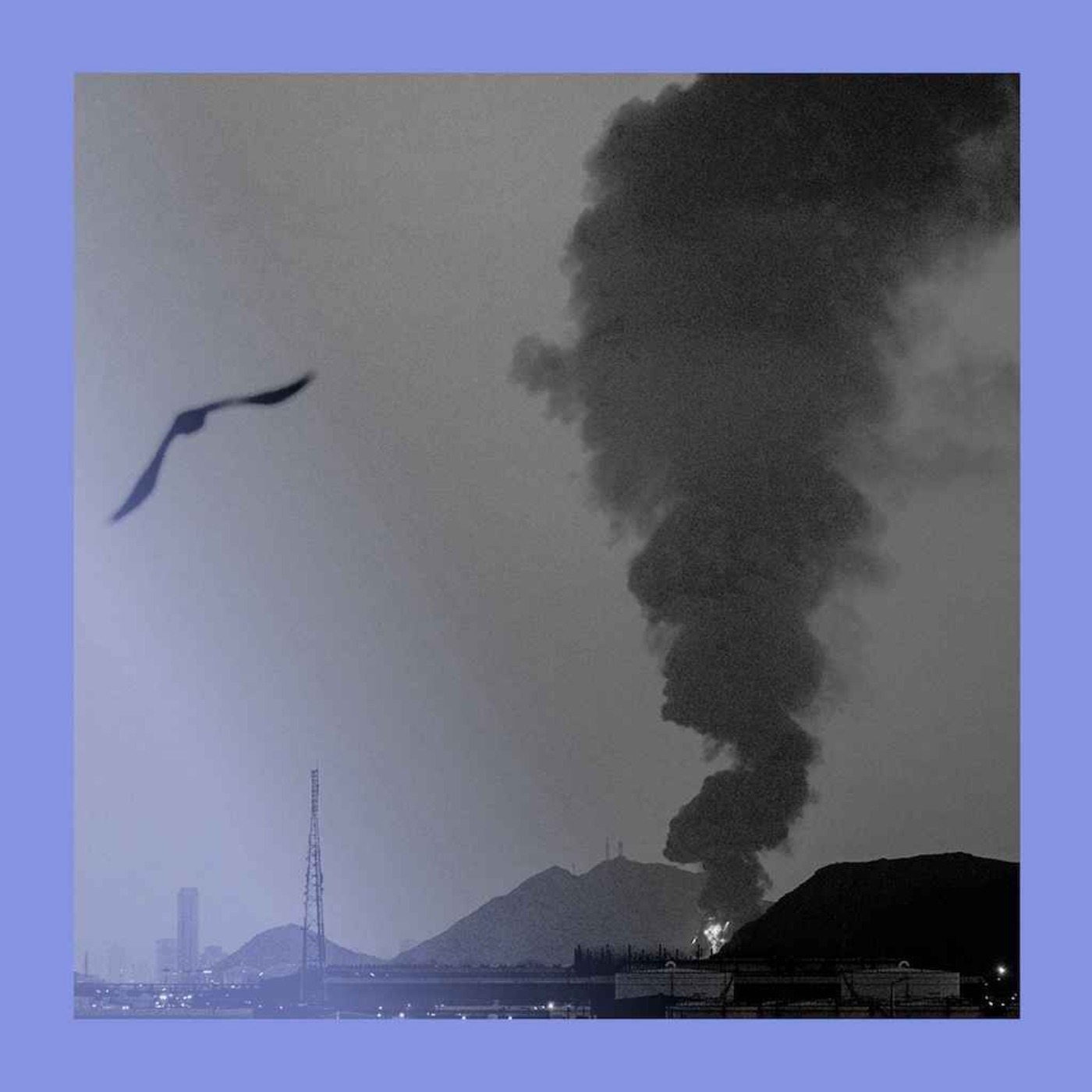
The episode details the immediate economic fallout from the escalating conflict between Iran and its neighbors, focusing on the crude awakening in global energy markets. Iran's actions, including threats to the Strait of Hormuz and strikes on energy infrastructure, have caused oil and natural gas prices to surge, raising concerns about global inflation and a slowdown in economic activity. The conflict also challenges the perceived stability of regional business hubs like Dubai.

Summarized by Podsumo
Escalating Conflict: Iran's missile barrages and potential blocking of the Strait of Hormuz (through which 15-20% of global oil passes) have triggered a sharp rise in energy prices.
Global Economic Impact: Surging oil and natural gas prices are increasing business costs, reducing consumer activity, and driving inflation, with predictions of Brent Crude reaching $100/barrel.
Supply Chain Disruptions: Attacks on Saudi oil infrastructure and the shutdown of a Qatar LNG facility (responsible for one-fifth of world supply) are curtailing energy supplies.
Broader Sector Effects: The airline industry is significantly impacted due to the Gulf's role as a major hub, while defense stocks have seen a surge.
Geopolitical Risk: The conflict shatters the illusion of stability for regional hubs like Dubai, potentially introducing a geopolitical risk premium to doing business there.
"The consequences will be a hit to activity, high inflation, the impact is still uncertain a lot depends on how long this conflict lasts for."
— Ratchela Shambog
"People in the industry are talking about a hundred dollar oil price per barrel of Brent Crude."
— Ratchela Shambog
"What we saw over the weekend was that this illusion that geography doesn't matter, was really shattered with hotel in Dubai going up in flames."
— Ratchela Shambog