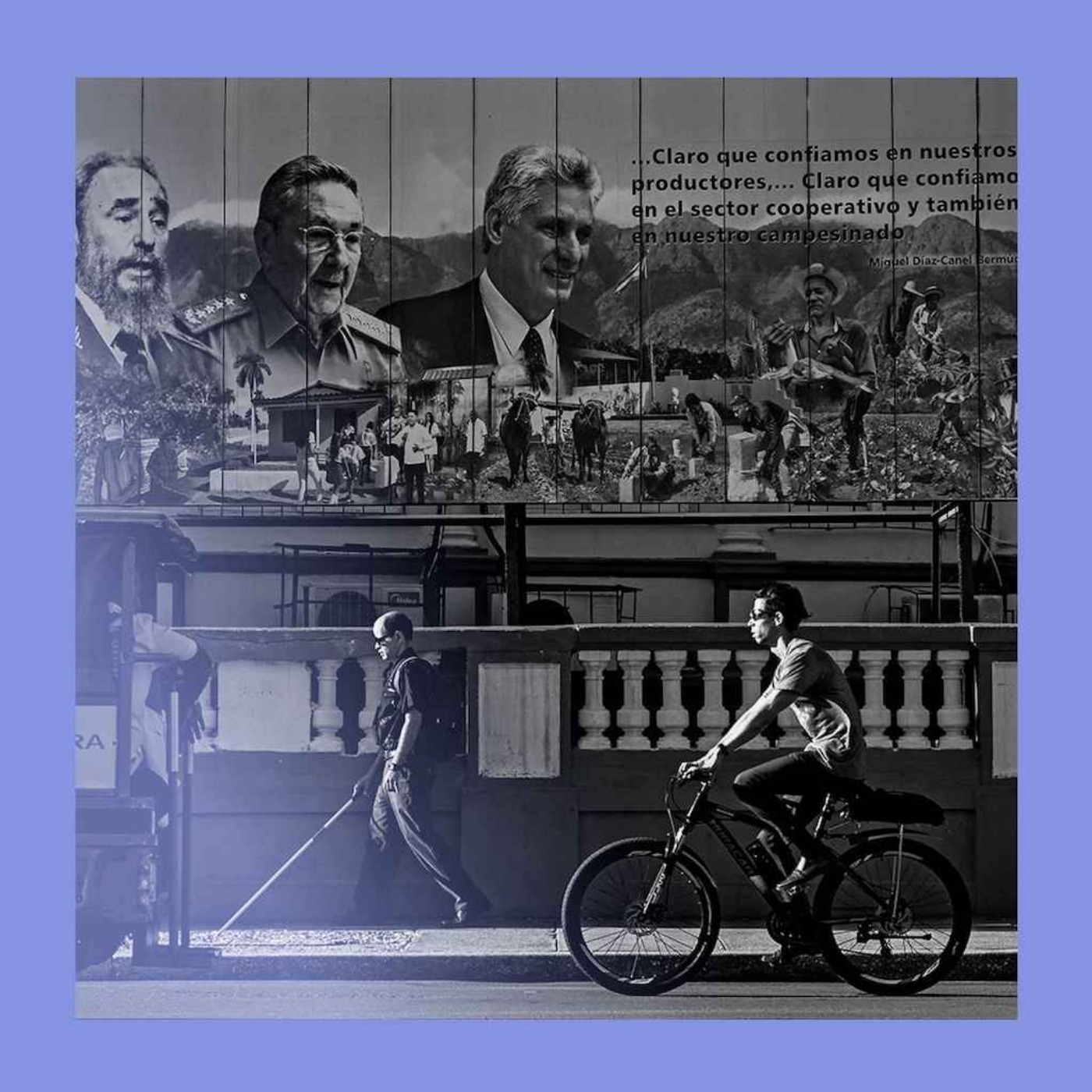
This episode of The Intelligence from The Economist analyzes the US's difficult position regarding Cuba under Trump's administration. Despite cutting off Cuba's oil supply and considering military options, the regime remains resilient due to internal control and popular nationalism. The episode also covers Colombia's polarized election and Mexico's World Cup prospects, but the primary focus is on the failure of economic pressure and the risky military alternatives facing the White House.

Summarized by Podsumo
Trump's policy of cutting Cuba's oil supply has increased everyday Cubans' misery but failed to topple the regime, which remains resilient due to harsh crackdowns, emigration of potential protesters, and nationalist sentiment.
Three military options for Cuba are discussed: a full invasion (deemed unlikely), limited strikes on key targets (possibly to scare the regime or split the ruling class), or continued economic pressure—all with high risks and uncertain outcomes.
The regime's 94-year-old leader Raul Castro is aging, but there is no visible power transition, making any forced change highly complex.
A negotiated deal with economic openings and political transition is seen as the best possible outcome, but its feasibility on Cuba is far more challenging than in Venezuela.
The episode also contextualizes US stakes in the region with Colombia's upcoming election featuring three starkly different candidates and Mexico's upcoming World Cup hosting amidst political and safety concerns.
"The Cubans are very nationalist. People don't like the idea of American intervention... but we've gotten to the point where the suffering is so big that people won't change anyway. If that means the Americans... then great, let that be the option."
"It's not like Venezuela. Cuba has no natural resources. There is no political opposition organized in the world like in Venezuela. And the political transition there is much harder."
"The regime has been in power for 67 years and does not want to give up power. That's the problem—whether you strike or negotiate, it's a dead end."