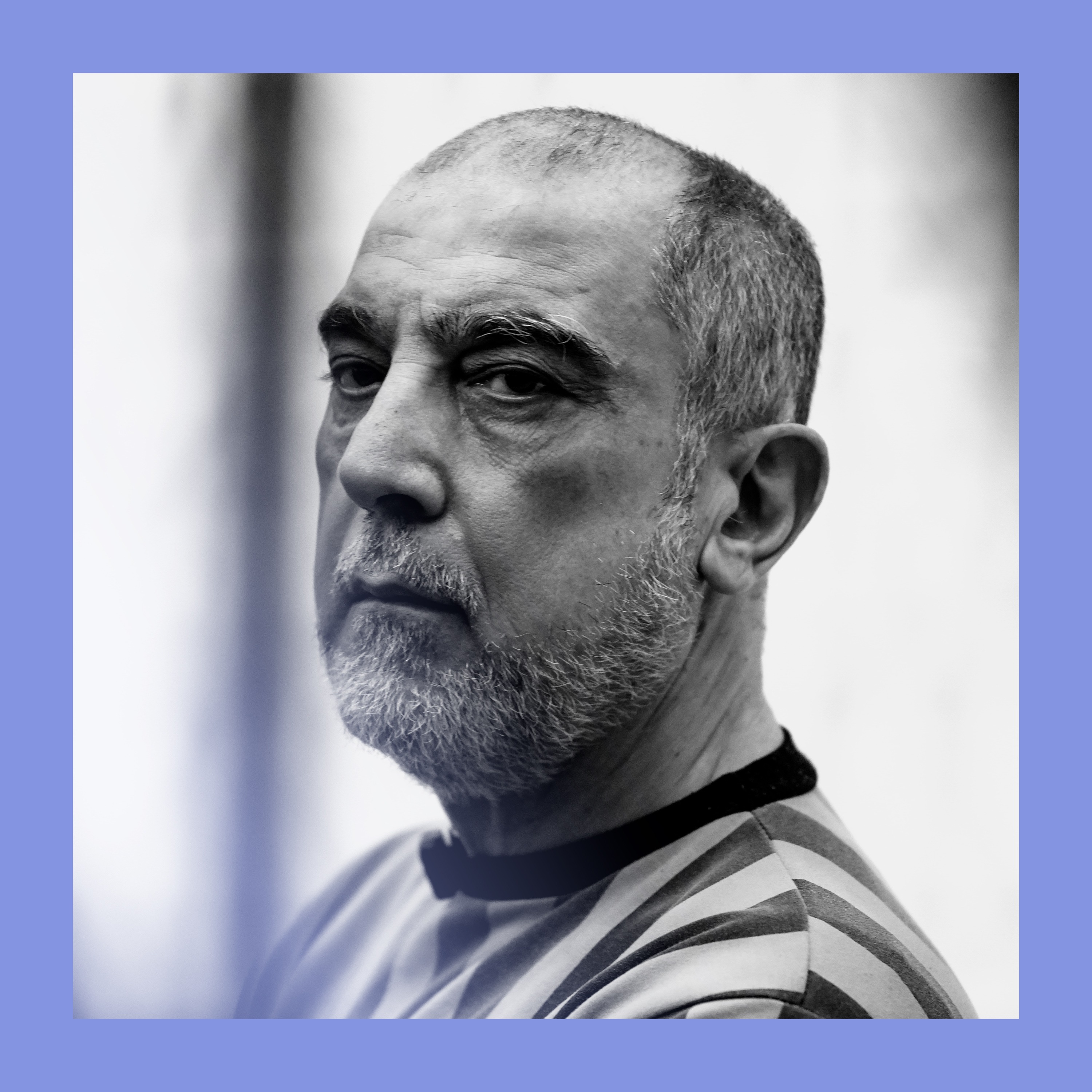
This episode examines the transitional justice process in post-Assad Syria, focusing on the high-profile trial of Atif Najib, a cousin of Bashar al-Assad and former security chief of Dera. Gareth Brown from The Economist explains the complexities of trying regime figures under a legal system lacking provisions for war crimes, the political risks for President Ahmed al-Sharaa, and the international scrutiny these trials face.

Summarized by Podsumo
Atif Najib's trial is symbolic as the first senior regime figure to face justice for the brutal repression that sparked the 2011 Syrian revolution.
Syria's legal system lacks laws for crimes against humanity and war crimes, forcing judges plan to use international treaties like the Geneva Convention to fill gaps.
President Ahmed al-Sharaa faces a double-edged sword: pursuing justice could backfire against his own allies who are also accused of human rights violations.
The trials aim to prevent street-level vengeance and reprisal killings that threaten to destabilize the country.
"He told them to forget about their sons, to go home and to make new ones."
"he is a first cousin of the judicial system in transition, like the rest of the country."
"This is a double-edged sword for Sharah. If you open the box of transitional justice too enthusiastically, it could swing back and it could hit your base."