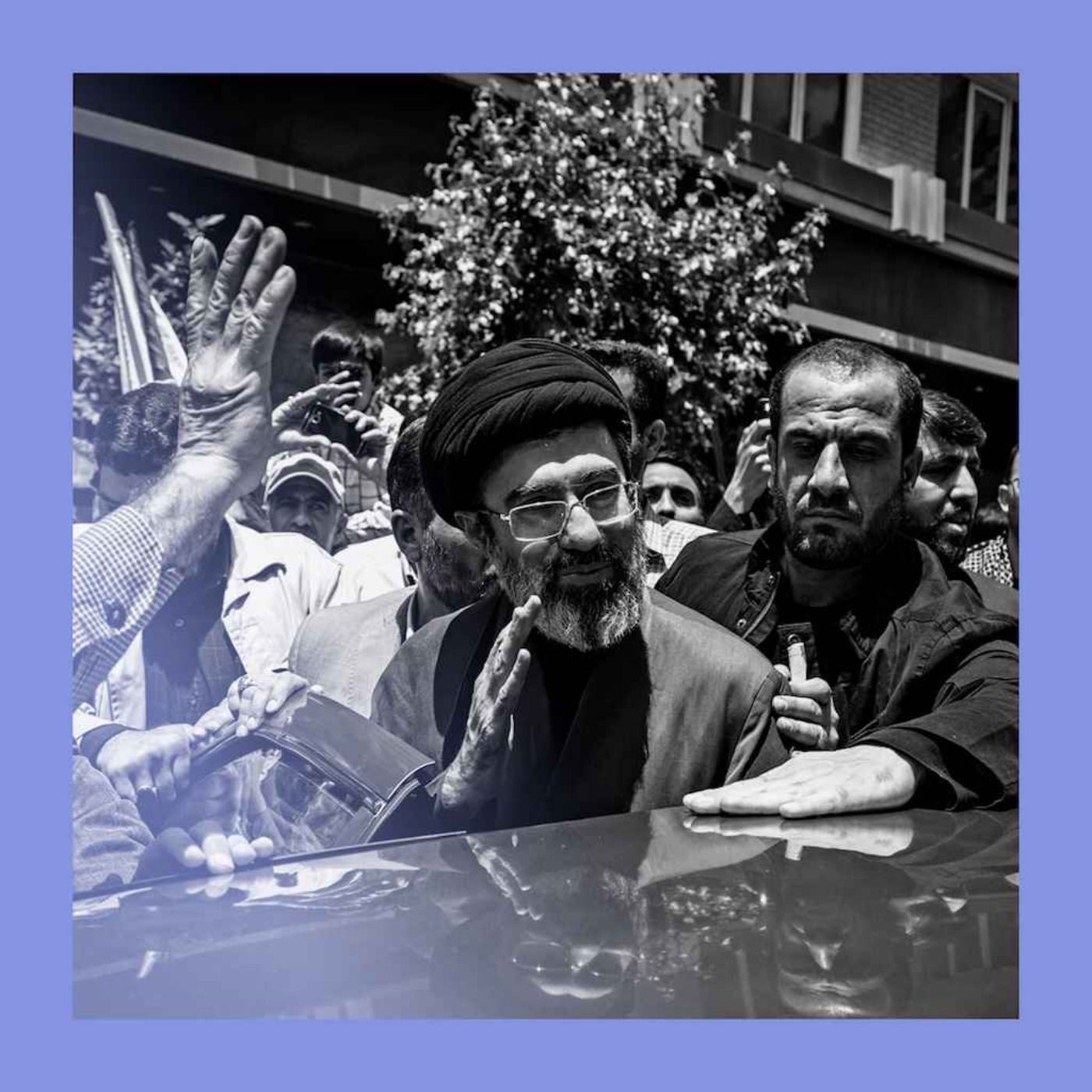
The episode discusses the implications of Mojtaba Khamenei's expected rise as Iran's new Supreme Leader, signaling continuity and internal power struggles rather than reform. This leadership transition occurs amidst an escalating "economic war" in the Gulf, characterized by attacks on critical infrastructure and rising oil prices, posing significant risks for all parties involved.

Summarized by Podsumo
Mojtaba Khamenei's likely succession as Iran's Supreme Leader is seen as a signal of continuity rather than change, reflecting a hardline stance and being unpopular even among some regime supporters who perceive it as a dynastic shift.
The Iranian regime is intensely trying to project an image of being 'in tact' and unyielding, but this is also interpreted by many Iranians as a sign that the government is resistant to internal reform.
The conflict in the Gulf is escalating into an 'economic war,' targeting critical infrastructure such as desalination plants and oil refineries, which has led to significant economic disruption and a surge in global oil prices.
Despite Mojtaba's nominal leadership, significant power struggles are anticipated behind the scenes, with the Revolutionary Guard and other factions expected to exert considerable influence as he works to establish his authority.
The ongoing geopolitical situation presents a risky calculus for all parties, including the Trump administration, Gulf states, and Iran, with potential for severe economic and reputational damage, alongside growing public discontent.
"Die Chance der Moschdebechamene, als Iran's new Supreme Leader, ist ein Signal der Kontinuitierung, rather than change."
"Die Regime intensiv zu zeigen, dass es noch In tact, und es ist nicht um zu bänden, aber ich denke, es wird auch durch viele Iranien auch als Signal, dass die Government einfach innen, in der sich eine Reform zu verwendet werden."
"So this looks to be shifting into a phase where it is an economic war, it is a war on critical infrastructure and it's going to be a Test zu sehen, welche Seite man mit den Ständen mehr von den Ständen haben."