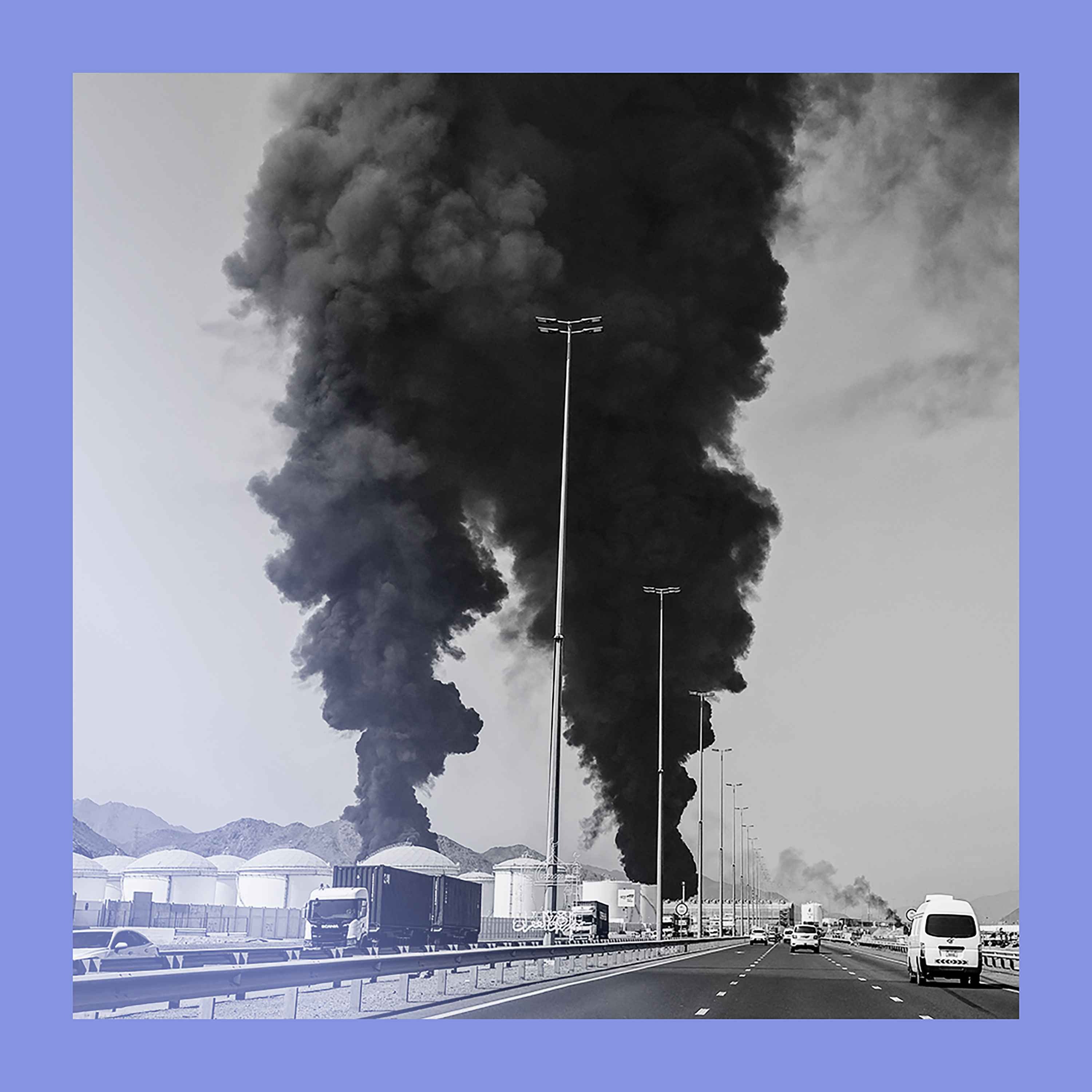
This episode discusses the escalating Iran-war risk, focusing on the de facto closure of the Strait of Hormuz, a critical global oil shipping route, and the Trump administration's scramble to reopen it. It explores potential US escalations like seizing Khark Island and Iran's counter-strategies targeting alternative oil routes, warning of a wider regional conflict. Additionally, the podcast covers China's rapid advancements in humanoid robotics and the scientific benefits of strategic power naps.

Summarized by Podsumo
The Strait of Hormuz is effectively closed due to Iran's threats and attacks, leading to US consideration of risky escalations like seizing Khark Island, Iran's main oil export terminal.
Iran is targeting alternative oil pipelines in Saudi Arabia and the UAE, and could use Houthi proxies to attack Red Sea shipping, aiming to inflict economic pain and potentially trigger a wider regional conflict.
China is rapidly advancing in humanoid robotics, with deliveries up four times in 2025 and a robust supply chain, though current applications are mostly entertainment-based, facing a 'chicken and egg' problem for industrial integration.
Short power naps (10-30 minutes) are scientifically proven to enhance alertness and memory more effectively than caffeine, with regular naps linked to reduced heart disease risk, but longer naps can be detrimental.
"This impasse over the impasseble could make for a far wider conflict."
"The Trump administration by all indications did not expect that the straight was going to shut the way it did."
"Humans are not sleeping the way nature intended. The number of sleep bouts he says, the duration of sleep, and when sleep occurs, have all been comprehensively distorted by modernity."