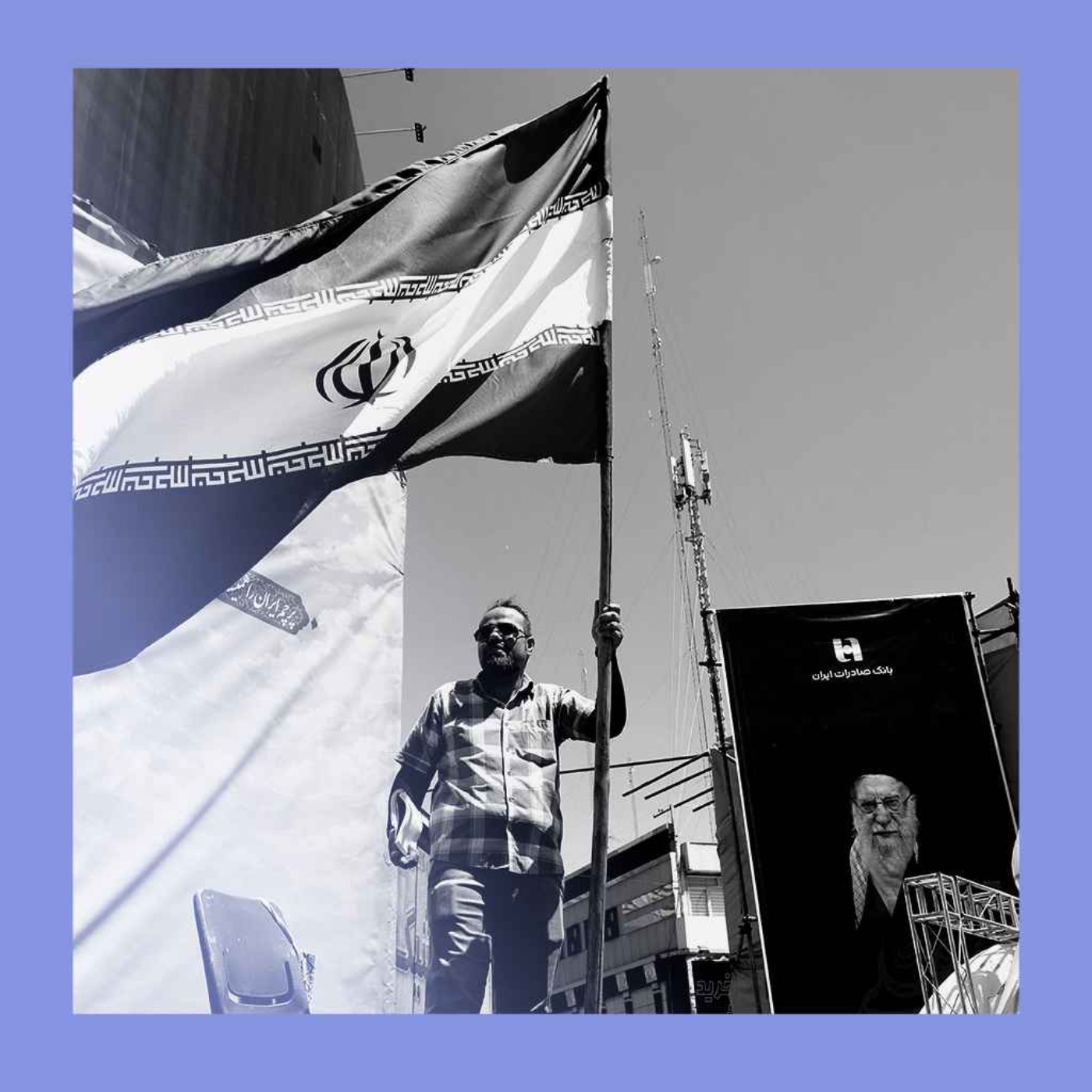
This episode of The Intelligence from The Economist discusses a framework deal to end the Iran war, focusing on the reopening of the Strait of Hormuz and the challenges of negotiating a comprehensive agreement. It also explores proposals for redistributing the AI windfall, such as equity donations or taxes, to address inequality, and concludes with a profile of England's World Cup team, highlighting its history of near-misses and persistent optimism.

Summarized by Podsumo
A deal to end the Iran war includes reopening the Strait of Hormuz within 30 days and 60 days of negotiations on Iran's nuclear program, but critics warn it's just a framework for more deal-making.
Proposals for redistributing AI wealth range from Sam Altman's voluntary equity donations to Bernie Sanders' one-off 50% tax, but even optimistic scenarios yield only small dividends per American.
England's World Cup history is marked by heartbreak, including the 1986 'Hand of God' goal and penalty shootout losses, yet fans remain hopeful for a breakthrough this year.
"It's a deal to do more deal making. And we should be skeptical of competing claims from America and Iran because some of them are going to be nonsense."
"If you think about the two big events that brought us here... neither of those issues have been resolved. So we could find ourselves right back where we were before this interim agreement."
"Football in England isn't just a sport, it's an industry. The media coverage is relentless, and each defeat feels existential."