This episode discusses America's new strategy to impose an economic blockade on Iran by targeting its shipping, aiming to force a deal on its nuclear program. It explores the potential effectiveness and significant risks of this approach, including its impact on global energy markets and international relations. The episode also briefly touches on Burkina Faso's controversial anti-jihadist tactics and the rising popularity of sparkling water.

Summarized by Podsumo
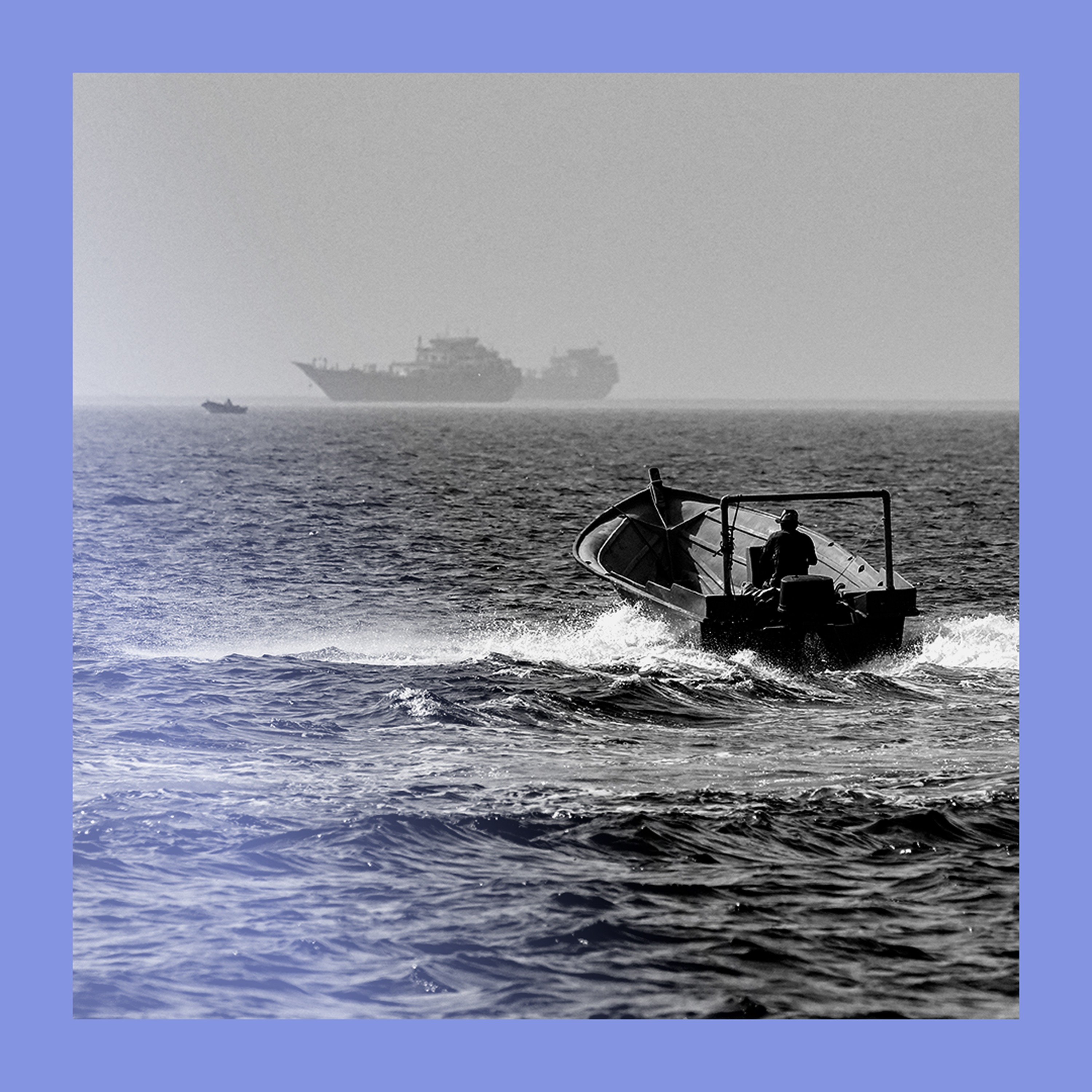
America is implementing a new strategy to blockade Iranian ports and coastal areas, aiming to cut off Iran's economic lifeline and pressure the regime into a deal. This is presented as an "economic friendly pain" alternative to military bombardment.
The blockade carries high economic and diplomatic risks, potentially driving global oil prices up to $150 a barrel and alienating US allies like China, Pakistan, and European nations whose ships might be affected.
Burkina Faso's military junta, led by Ibrahim Traoré, is employing a "full-bore militarism repression" strategy against jihadists, which includes alleged war crimes, crimes against humanity, and ethnic cleansing against the Fulani minority, a tactic that is paradoxically pushing more civilians towards jihadist groups.
Sparkling water, with its origins traced back to Joseph Priestley in the 18th century, is experiencing a significant resurgence in popularity, with US sales increasing by 70% since 2019, becoming a favored alternative to alcoholic or sugary drinks.
"It is an economic friendly pain, where bombardment is."
"Das AIM ist ein 7-Eiranz-Economic-Lifeline und eine Regime-Planche zu einem Ekonominik-Krisis."
"I think, in der Praxis wird es viel harder."