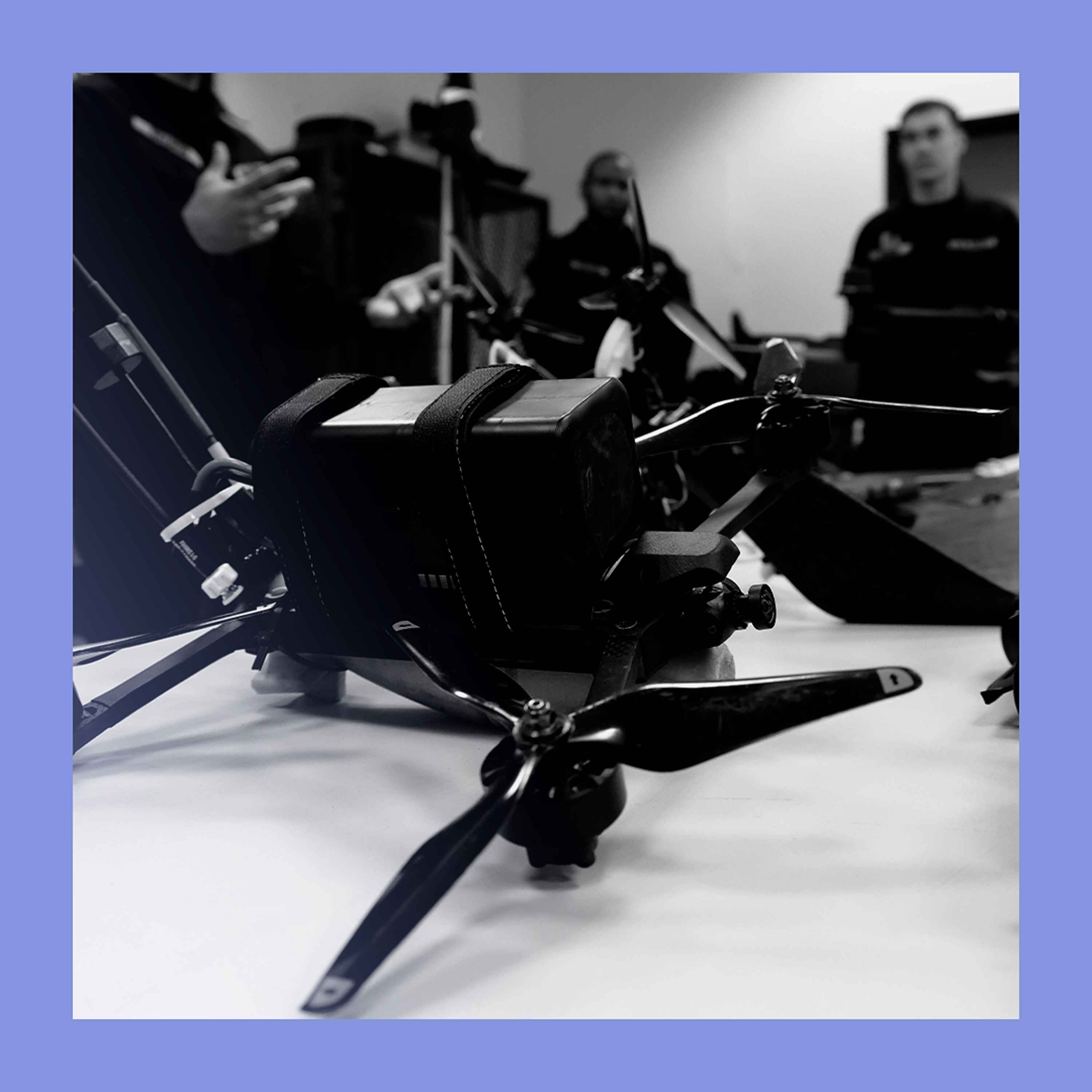
This episode discusses a new wave of tech companies, dubbed "Neo-Primes," disrupting the traditional defense industry by leveraging AI and advanced technology. Companies like Palantir, SpaceX, and Anduril are securing significant contracts, driven by lessons from modern conflicts and a push for faster weapon development, despite ethical concerns surrounding AI in warfare and potential political favoritism. This shift is attracting substantial venture capital and reshaping the future of military technology.

Summarized by Podsumo
New tech companies like Palantir, SpaceX, and Anduril are challenging traditional defense contractors by bringing advanced software, satellite networks, and autonomous drone technology to the military.
These companies are at the forefront of integrating AI, machine learning, and generative AI into military applications, including intelligence systems, target identification, and autonomous weapons.
The US Secretary of War has explicitly called for the defense industry to "accelerate like hell" in weapon development, drawing inspiration from tech innovators like Elon Musk.
The rise of these tech firms and their use of AI in warfare raises concerns about political favoritism (e.g., Donald Trump Jr.'s investment in Anduril) and the ethical implications of autonomous weapons making lethal decisions, with experiments already showing AI-driven drones engaging each other.
The defense tech sector is attracting significant venture capital, indicating a belief in the long-term growth and disruptive potential of these new entrants, despite the high costs and controversies.
"The defense industry needed to accelerate like hell in the way that they make weapons."
"AI is being used for target identification on the battlefield. It's being used increasingly widely, and it's incredibly controversial."
"The risk is that it jeopardizes the bipartisan support that there is for defense tech."