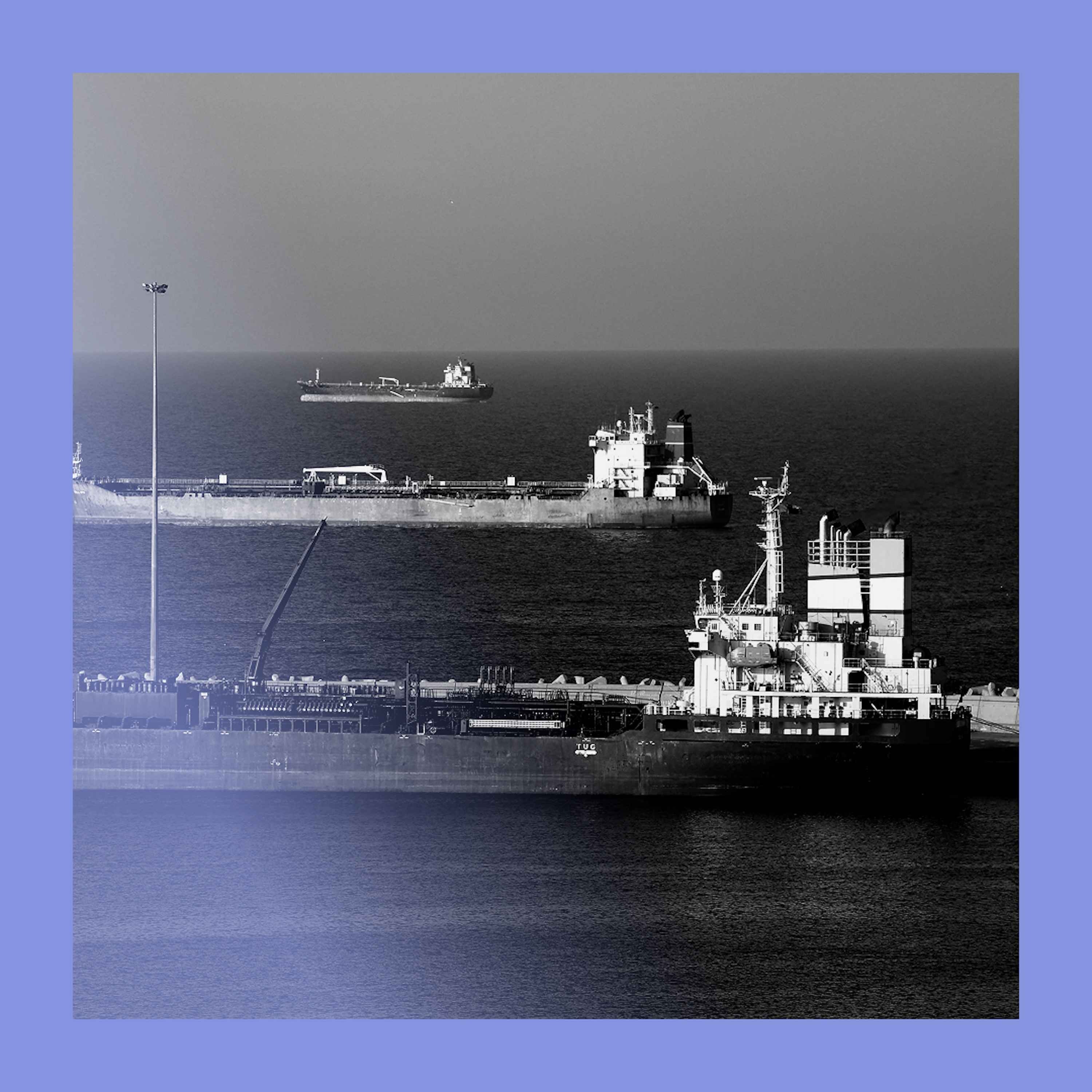
The conflict in Iran and the closure of the Strait of Hormuz are causing significant global economic jitters, particularly impacting oil and gas markets with extreme price volatility. While various temporary solutions like releasing strategic oil reserves or military escorts are discussed, their effectiveness is limited, and the disruption is expected to be prolonged. This energy vulnerability is also prompting countries like Japan to reconsider their energy policies, leading to the controversial restart of major nuclear power plants after years of dormancy.

Summarized by Podsumo
Strait of Hormuz closure: A major global economic threat, halting one-fifth of global oil trade and a similar share of LNG, causing extreme oil price volatility and market desperation.
Limited solutions for oil supply: Options like releasing strategic reserves, military escorts, or increasing US shale output face significant constraints, suggesting the disruption will be prolonged and severe.
Broader economic fallout: The war's impact is expected to be much larger than the Ukraine war's effect on the Eurozone, leading to reduced economic activity and potential market "freak outs."
Japan's nuclear revival: Amidst global energy insecurity, Japan is controversially restarting its largest nuclear power plant, Kashiwa-zaki-kariwa, 15 years after Fukushima, highlighting a shift in public and government attitudes towards nuclear power.
Artistic defiance in Iran: The podcast also touches on Iranian filmmaker Jafar Panahi, whose Oscar-nominated film It Was Just An Accident dramatizes the eternal standoff between artists and authoritarians, reflecting on moral reckoning and justice under tyranny.
"The problem is that disruption is likely to last longer than traders expect."
— Ratchena Shambhug
"The fundamental problem right now is that tankers do not want to cross the straight-of-all mousse because it's so dangerous."
— Ratchena Shambhug
"If your determined to keep going, he said, the solution comes to you."
— Jafar Panahi