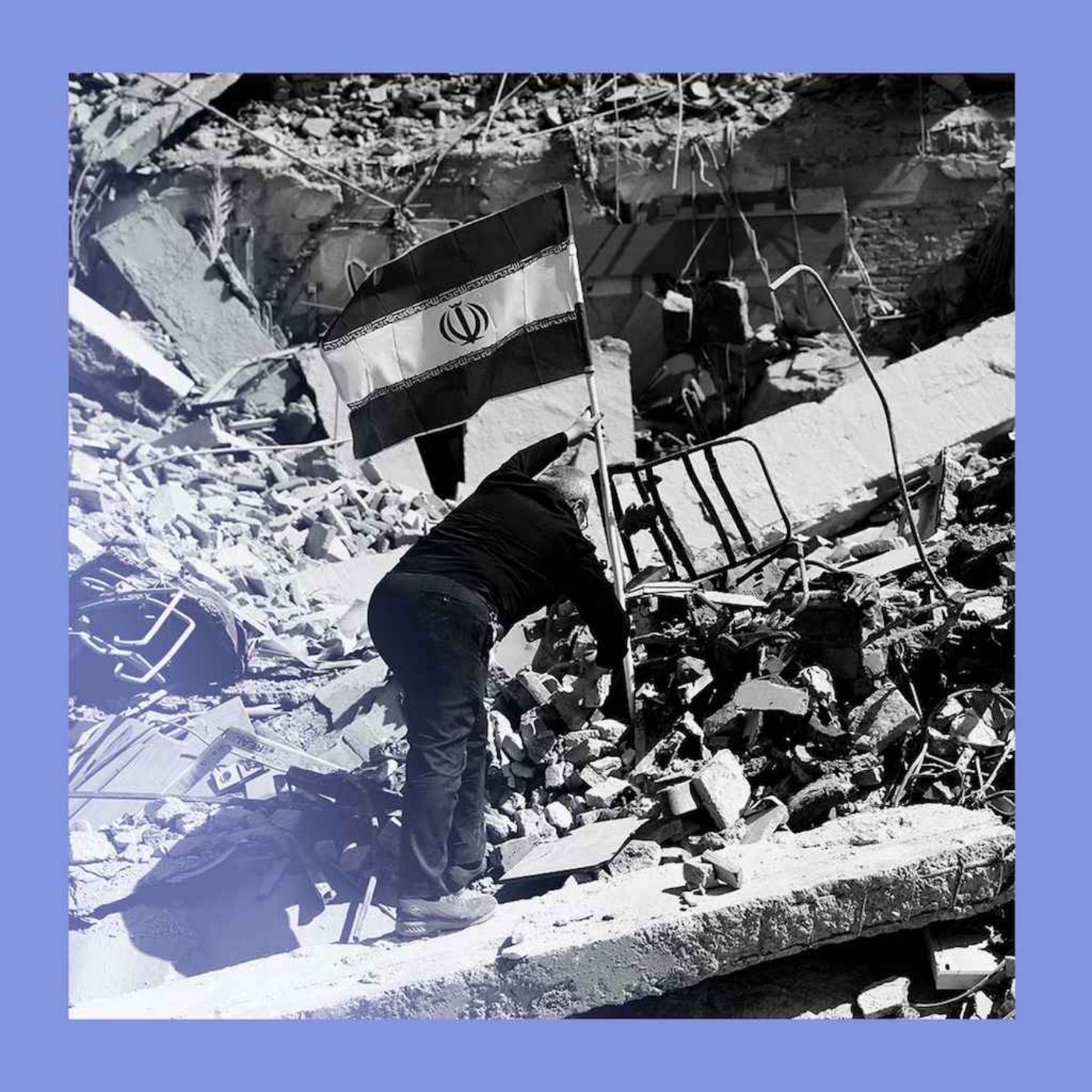
The podcast analyzes the "third Gulf war" one week after Iran's attacks, focusing on the military conflict, Iran's regime resilience, and the sustainability of missile defense. While US and Israeli strikes have degraded Iran's missile launch capabilities, concerns remain about the long-term effectiveness of bombing, the regime's deep-rooted stability, and the limited stock of interceptor missiles. The episode also delves into the life and motivations of Iran's Supreme Leader, Ali Khamenei.

Summarized by Podsumo
Iran's Regime Resilience: The Iranian regime is described as deep and wide, not solely dependent on one leader, with succession plans and loyal forces like the Revolutionary Guard Corps, making its widespread collapse unlikely despite ongoing strikes.
Missile Defense Challenges: Hundreds of Iranian missiles were intercepted, but the high consumption rate of expensive interceptor missiles (e.g., ~800 US interceptors in days vs. 600 PAC-3s produced annually) raises concerns about depleting stocks and the ability to sustain defense.
Strategic Dilemma for Allies: The US and Israel face a choice between continuing to degrade Iran's missile capabilities through bombing, risking escalation or pushing Iran towards nuclear weapons, versus seeking diplomatic solutions which have previously failed.
Impact of Strikes: US and Israeli strikes have significantly reduced Iran's ballistic missile launch rate (down 86% from day one), indicating success in degrading immediate offensive capabilities.
Khamenei's Ideology: Supreme Leader Ali Khamenei's deep-seated hatred for the West and belief in martyrdom over surrender shaped his policies, including the pursuit of nuclear power and a hardened stance against protests.
"I think what is important to remember about the Iranian regime is it is a deep wide regime. It's not one that is headed by one man."
"The aspect that we think you have to finish is the degrading of Iran's missile batteries."
"The US has used about 800 interceptor missiles in the first days of the conflict, which is a significant proportion of their annual production."